October 6, 2013

Fuji Heavy to install new EyeSight system


 Fuji Heavy Industries Ltd. has announced that its next-generation EyeSight collision avoidance system will be installed in new vehicles it will launch in 2014.

The new EyeSight system uses a color-recognizing camera to detect the brake light color of the car in front and automatically stops the vehicle in the event of a possible collision, the maker of Subaru vehicles said Wednesday.

While the existing EyeSight uses black and white images to analyze the situation in front of the car, the new color recognition technology enables the vehicle to detect red light.


October 5, 2013

Tesla fire shows electrics face safety challenges


When debris on a Seattle-area freeway pierced the battery of a $70,000-plus Tesla Model S and touched off a raging fire, it raised new safety concerns for electric-vehicle owners.

It also caused rare jitters among investors, who of late have viewed Tesla as nearly invincible.

Electric vehicles have scored well in government tests of front and side crashes - the Model S earned the highest score possible. But Tuesday's incident demonstrates that real-world driving could reveal some vulnerabilities that don't show up in laboratory testing.


2013 Korean Grand Prix – Qualifying

click to enlarge

MERCEDES AMG PETRONAS drivers Lewis Hamilton and Nico Rosberg qualified in second and fifth positions respectively for tomorrow’s 2013 Formula 1 Korean Grand Prix. Nico will start from P4 on the grid after penalties have been applied.

* Lewis qualified P2 after making two option-tyre runs in Q3, having come through Q2 with a single run.
* Nico suffered a puncture on his first run of the session in Q1 which forced him to use a set of option tyres in Q1.
* He recovered strongly to clear Q2 running used option tyres and was able to secure P5 on the grid.
* Nico will start from P4 once grid penalties have been applied to other competitors.


Well-connected hemispheres of Einstein’s brain may help have sparked brilliance


The left and right hemispheres of Albert Einstein's brain were unusually well connected to each other and may have contributed to his brilliance, according to a new study conducted in part by Florida State University evolutionary anthropologist Dean Falk.

"This study, more than any other to date, really gets at the 'inside' of Einstein's brain," Falk said. "It provides new information that helps make sense of what is known about the surface of Einstein's brain."


Surprisingly simple scheme for self-assembling robots


Small cubes with no exterior moving parts can propel themselves forward, jump on top of each other, and snap together to form arbitrary shapes.

In 2011, when an MIT senior named John Romanishin proposed a new design for modular robots to his robotics professor, Daniela Rus, she said, “That can’t be done.”

Two years later, Rus showed her colleague Hod Lipson, a robotics researcher at Cornell University, a video of prototype robots, based on Romanishin’s design, in action. “That can’t be done,” Lipson said.


New kind of microscope uses neutrons


Device could open up new areas of research on materials and biological samples at tiny scales.

Researchers at MIT, working with partners at NASA, have developed a new concept for a microscope that would use neutrons — subatomic particles with no electrical charge — instead of beams of light or electrons to create high-resolution images.

Among other features, neutron-based instruments have the ability to probe inside metal objects — such as fuel cells, batteries, and engines, even when in use — to learn details of their internal structure. Neutron instruments are also uniquely sensitive to magnetic properties and to lighter elements that are important in biological materials.


October 4, 2013

The Value of Real-Time Visibility Technology to Businesses and the General Public


Frost & Sullivan released a new white paper entitled “Seeking Sustainable Growth: Understanding the Value Real-Time Visibility Technology Brings to Business and People,” that gives a thorough explanation of what real-time locating systems (RTLS) is, how it works and provides best practices associated with RTLS solutions for the benefit of senior executives. RTLS empowers today’s business with the highest degree of intelligence by allowing them to track their assets and personnel without delay in time. This enables businesses to make necessary decisions in a timely manner, thus increasing their profitability.

Frost & Sullivan’s research finds that embracing RTLS has a profound impact on today’s businesses and can even define and change the course of their success.


October 3, 2013

The Future of Cloud Services


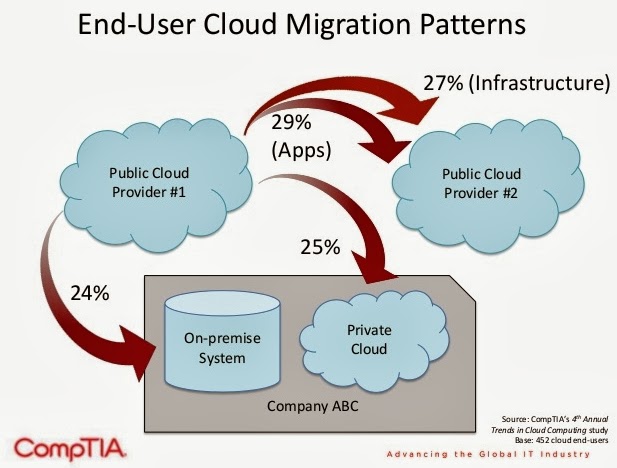
Increasingly, organizations in the public and private sectors are moving their IT services to the cloud because it allows them to operate more efficiently, more securely, and with more flexibility. But cloud computing technologies continue to evolve rapidly, and these changes introduce new opportunities and challenges for users.

The Information Technology and Innovation Foundation (ITIF) will host a panel of leading technology experts who will assess how cloud computing will evolve over the next 5-10 years, and discuss the implications this will have for consumers, businesses, and policy makers. "The Future of Cloud Service" will be held from 9:00 AM to 10:30 AM, Tuesday, October 8 at ITIF, 1101 K Street, NW, Suite 610A.


Wearables Device Provides Opportunity for Flexible Displays


Smart watches will provide the biggest opportunity for flexible displays in the short term. A number of new smart watch vendors have incorporated some form of flexible display technology to maximize the screen size of the small device. Market Intelligence firm ABI Research believes most of the digital smart watches and other fitness and health wearable devices will incorporate a flexible display over the next eighteen months due to the robust and rugged characteristics of the displays.

Furthermore, flexible displays or e-ink displays could be used as secondary displays on smartphones and media tablets. Phablets are predicted to be a key application for secondary displays—it is anticipated more than 6% of annual phablet shipments could include the display type in 2015.


Chemistry with sorted Molecules


To gain complete control over chemical reactions is one of the main goals of chemists around the world. For the first time, scientists at the University of Basel and the Center of Free-Electron Laser Science in Hamburg were able to successfully sort out single forms of molecules with electric fields and have them react specifically. Analysis of the reaction rates showed a relation between the spatial structure of the sorted molecules and their chemical reactivity. The results have been published in the renowned magazine «Science».


Nanodevices for a 'More than Moore' world


Moore's Law - which holds that the number of transistors on an integrated circuit, and hence its processing power, doubles every 18 months - has been the guiding principal of chip design for almost half a century. But with physical limitations to further transistor scaling being reached, Moore's Law may have met its match. We are entering a 'More than Moore' world in which EU-funded researchers are playing an important role.


Cell auto-cleaning mechanism mediates the formation of plaques in Alzheimer’s


Autophagy, a key cellular auto-cleaning mechanism, mediates the formation of amyloid beta plaques, one of the hallmarks of Alzheimer’s disease. It might be a potential drug target for the treatment of the disease, concludes new research from the RIKEN Brain Science Institute in Japan. The study sheds light on the metabolism of amyloid beta, and its role in neurodegeneration and memory loss.


Diesel exhaust stops honeybees from finding the flowers they want to forage


Exposure to common air pollutants found in diesel exhaust pollution can affect the ability of honeybees to recognise floral odours, new University of Southampton research shows.

Honeybees use floral odours to help locate, identify and recognise the flowers from which they forage.


New X-ray vision can reveal internal structure of objects


Scientists have developed a new kind of ‘X-ray vision’ that is able to peer inside an object and map the three-dimensional distribution of its nano-properties in real time.


University of Manchester researchers, working with colleagues in the UK, Europe and the US, say the novel imaging technique could have a wide range of applications across many disciplines, such as materials science, geology, environmental science and medical research.
“This new imaging method – termed Pair Distribution Function-Computed Tomography – represents one of the most significant developments in X-ray micro tomography for almost 30 years,” said Professor Robert Cernik in Manchester’s School of Materials.


3D Dynamic Imaging of Soft Materials


Berkeley Lab Researchers Apply Transmission Electron Microscopy Through Unique Graphene Liquid Cell

Autumn is usually not such a great time for big special effects movies as the summer blockbusters have faded and those for the holiday season have not yet opened. Fall is more often the time for thoughtful films about small subjects, which makes it perfect for the unveiling of a new movie produced by researchers at the U.S. Department of Energy (DOE)’s Lawrence Berkeley National Laboratory (Berkeley Lab). Through a combination of transmission electron microscopy (TEM) and their own unique graphene liquid cell, the researchers have recorded the three-dimensional motion of DNA connected to gold nanocrystals. This is the first time TEM has been used for 3D dynamic imaging of so-called soft materials.


3D Printing: The Greener Choice


3D printing isn’t just cheaper, it’s also greener, says Michigan Technological University’s Joshua Pearce.

Even Pearce, an aficionado of the make-it-yourself-and-save technology, was surprised at his study’s results. It showed that making stuff on a 3D printer uses less energy—and therefore releases less carbon dioxide—than producing it en masse in a factory and shipping it to a warehouse.

Most 3D printers for home use, like the RepRap used in this study, are about the size of microwave ovens. They work by melting filament, usually plastic, and depositing it layer by layer in a specific pattern. Free designs for thousands of products are available from outlets like Thingiverse.com.


October 2, 2013

Bonelli’s Eagle: a thirty-year study of European populations to know dynamics and improve conservation


A new scientific research analyses key vital rates in Western Europe Bonelli’s Eagle populations between 1980 and 2009. It alerts that North Spain populations are the ones at greatest risk. The research, published on the journal Ecological Monographs, a publication of the Ecological Society of America, is headed by experts Joan Real and Antonio Hernández Matías, from the Conservation Biology Group of the Department of Animal Biology and the Biodiversity Research Institute (IRBio) of the UB. Experts from the National Center for Scientific Research (CNRS, France) and research centres from Spain, Portugal and South Africa collaborated too.


Like father, not like son


Brain and song structure in zebra finches are strongly influenced by the environment

The song of songbirds is a learned, complex behavior and subject to strong selective forces. However, it is difficult to tease apart the influence of the genetic background and the environment on the expression of individual variation in song. Scientists from the Max Planck Institute for Ornithology in Seewiesen in collaboration with international researchers now compared song and brain structure of parents and offspring in zebra finches that have been raised either with their genetic or foster parents. They also varied the amount of food during breeding. Remarkably, both song and the underlying brain structure had a low heritability and were strongly influenced by environmental factors.


Graphene with aroma


New production method broadens the perspectives for an improved use of the "magic material" - many different forms are possible

Graphene, a crystal composed of only one layer of carbon atoms arranged in a regular hexagon, is regarded as a material which is believed to be capable of performing miracles, in particular in the fields of electronics, sensor technology and display technology, but also in metrology. Only four years after the first successful preparation of graphene, its discoverers Geim and Novoselov were therefore awarded a Nobel Prize. As the original preparation method (flaking of single atomic layers of graphite) does not offer a good perspective for broad technological use, many groups of researchers are concentrating very strongly on the development of alternative manufacturing procedures.


Death of a spruce tree


Study of Black Spruce forest means trees might store more carbon than thought

Examining a long-lived forest, researchers have found that Black Spruce trees, which dominate the northern forests of North America, succumb about five years after being weakened by environmental stresses. Without rejuvenating fire, the dead trees aren't being replaced by new ones. The result will help researchers better understand how climate change affects the health of forests, and how forests affect the severity of climate change. The study also suggests trees might be storing more carbon than currently estimated.


Daimler announces new Mercedes-Benz Cars plant in Brazil


• Local production capacities in Brazil for next-generation C-Class and GLA
• Contribution to Mercedes-Benz 2020 growth strategy
• Start of Production as early as 2016
• Investment of around EUR 170 million
• Andreas Renschler: “Brazil is an important future market. With our local production we accept the challenge and take on the competition.”

Daimler expands in Brazil by adding a new facility to the global passenger car production network of Mercedes-Benz Cars. In the future, the next-generation C-Class and the GLA will be produced for the local market in a new assembly plant in Iracemápolis near São Paulo.


A new Leaf for more environmental car travel


s part of our environmental sustainability strategy and work to reduce carbon emissions, the University has moved to a zero emissions electric model for day-by-day use around the city.

Our two litre diesel engine car has been exchanged for an ex-demonstration Nissan Leaf in a move which is both environmentally and financially more sustainable.

Vice-Chancellor Professor Martin Hall, said, “The trade-in is almost cost neutral given that it's a former demonstration vehicle and will cost much less to run. It is consistent with our emphasis on energy and efficiency. While we should all use public transport wherever possible, this electric car marks the importance we place on our Carbon Emissions Plan and its objectives".


New biomimetic material to develop nanosensors


Researchers at the Moncloa Campus have developed a biomimetic material capable to be modeled at nanometric scale increasing its sensitivity, selectivity and speed of chemical detections.

The new features of this biomimetic material will allow us to develop multiple nanometer-sized chemical sensors (1 nanometer= 0.000001 mm) over the same substrate by electron beam lithography, as a result, multifunctional biochips of major versatility will be developed. The possibility to record at nanometric scale is an essential benefit facing traditional biomimetic materials since this new material developed by researchers at the Universidad Politécnica de Madrid (UPM) and the Universidad Complutense (UCM) within the framework of Moncloa campus provides commercial potential applications.


Textured images help tactile recognition for the blind


The use of different materials with varied textures improves the recognition of tactile images by young blind people, researchers from the Laboratoire de psychologie et neurocognition (LPNC) (CNRS/Université Pierre Mendès France/ Savoie University) have shown. This result, which was recently published in the Journal of Experimental Psychology Applied was achieved in collaboration with Geneva University's Faculté de psychologie et des sciences de l'éducation and Les Doigts Qui Rêvent (Dreaming Fingers) in Talant (Côte-d'Or, France).


DTCO 2.1 active: new evolutionary development affords greater efficiency and comfort in vehicle operation


* Digital tachograph DTCO 2.1 active autonomously stores position data and enables easy interaction with fleet management programs like TIS Web
* Improved dynamic menu provides a better overview
* VDO Counter now extended by ferry/train function

VDO has added important functions to its Digital Tachograph 2.0. The new model, the DTCO 2.1, offered in the retrofit market with the affix “active”, in conjunction with a GPS module, now can continuously save position data and take idle times on ferries or during rail transport into account. “DTCO 2.1 active is the next rung on the evolutionary ladder and further improves the effectiveness and efficiency of fleet management with new functional modes,” explains Dr. Michael Ruf, head of the Commercial Vehicles & Aftermarket Business Unit at Continental, to which the VDO brand belongs.


VIRTUAL INSANITY – 1290 SUPER DUKE R UNVEILED ON MICROSITE!


At last years EICMA the prototype of KTM´s currently most powerful motorcycle was presented with brute engine sound. Now the eagerly awaited production version of the 1290 SUPER DUKER gets started and will be the first KTM that is launched on a web-based microsite.

•    Microsite: www.1290SuperDukeR.com
•    On September 16 had started a countdown till unveiling
•    From October 1 all information regarding the ´Beast´ including 10 specials will be unlocked step-by-step
•    Competition with a 1290 SUPER DUKE R as first prize


Finland to lead the way as a designer of cellulose-based products


The combination of strong design competence and cutting-edge cellulose-based technologies can result in new commercially successful brands.

The aim is for fibre from wood-based biomassto replace both cotton production, which burdens the environment, and polyester production, which consumes oil. A research project launched by VTT Technical Research Centre of Finland, Aalto University and Tampere University of Technology aims to create new business models and ecosystems in Finland through design-driven cellulose products.


New EcoBoost Engine To Debut At Rolex 24

click to enlarge

* Ford brings technologically advanced 3.5-liter V6 EcoBoost® engine to racing in 2014 TUDOR United SportsCar Championship
* Michael Shank Racing first team to sign on with EcoBoost engine program
* 2014 Riley Technologies Daytona Prototype car features a new look with Ford production cues and aerodynamic support
* Michael Shank Racing, with Colin Braun behind the wheel, will attempt record run speed test at Daytona International Speedway Oct. 9

As part of its continuing strategy to introduce product-relevant technology into racing, Ford announced plans to bring its 3.5-liter V6 EcoBoost® racing engine to the 2014 TUDOR United SportsCar Championship series.


Rensselaer Researchers Propose New Theory To Explain Seeds of Life in Asteroids


A new look at the early solar system introduces an alternative to a long-taught, but largely discredited, theory that seeks to explain how biomolecules were once able to form inside of asteroids. In place of the outdated theory, researchers at Rensselaer Polytechnic Institute propose a new theory — based on a richer, more accurate image of magnetic fields and solar winds in the early solar system, and a mechanism known as multi-fluid magneto-hydrodynamics — to explain the ancient heating of the asteroid belt.


October 1, 2013

What makes us left or right handed? New study rules out strong genetic factors


Around 10 per cent of the UK is left handed — and that percentage remains consistent in many populations around the world. But why exactly someone is left or right handed remains unclear.

New research from The University of Nottingham’s Professor John Armour and Dr Angus Davison, in collaboration with UCL’s Professor Chris McManus, has ruled out a ‘strong genetic determinant’ in influencing handedness.


BAD LUCK? KNOCKING ON WOOD CAN UNDO JINX: STUDY


Knocking on wood is the most common superstition in Western culture used to reverse bad fortune or undo a "jinx." Other cultures maintain similar practices, like spitting or throwing salt, after someone has tempted fate. Even people who aren't particularly superstitious often participate in these practices.


Biochar quiets microbes, including some plant pathogens


 Synthetic biologists at Rice probe biochar’s impact on microbial signaling 

In the first study of its kind, Rice University scientists have used synthetic biology to study how a popular soil amendment called “biochar” can interfere with the chemical signals that some microbes use to communicate. The class of compounds studied includes those used by some plant pathogens to coordinate their attacks.

Biochar is charcoal that is produced — typically from waste wood, manure or leaves — for use as a soil additive. Studies have found biochar can improve both the nutrient- and water-holding properties of soil, but its popularity in recent years also owes to its ability to reduce greenhouse gases by storing carbon in soil, in some cases for many centuries.


2014 KIA SOUL OVERVIEW

click to enlarge

Boasting Iconic Design, Desirable Features and Improved Driving Dynamics, Kia’s All-New Soul is Tailor-made for Urban and Suburban Fun

* Refined interior, cutting-edge technology and striking road presence maintain Soul’s iconic status
* Kia’s urban hatchback will go on sale early in the fourth quarter of 2013

The iconic Soul enters the 2014 model year with an all-new take on design, driving dynamics and desirable features that totally transform one of Kia Motors America’s best-selling cars into an urban utility vehicle that is as comfortable in the city as it is on the open highway.


Final Antenna Delivered to ALMA

click on photo to enlarge

All 66 ALMA antennas now handed over to the observatory

he final antenna for the Atacama Large Millimeter/submillimeter Array (ALMA) project has just been handed over to the ALMA Observatory. The 12-metre-diameter dish was manufactured by the European AEM Consortium and also marks the successful delivery of a total of 25 European antennas — the largest ESO contract so far.

The antenna is the 66th and final antenna to be delivered to the observatory. North America has provided 25 12-metre antennas, while East Asia has delivered 16 (four 12-metre and twelve 7-metre). By the end of 2013, all 66 ultra-precise millimetre/submillimetre-wave radio antennas are expected to be working together as one telescope, in an array that will stretch for up to 16 kilometres across the Chajnantor Plateau in the Atacama Desert of northern Chile.


Alternative to antibiotics


Plasmas attack bacterial cells on several levels

RUB researchers analyse the mechanism of action of UV photons and radicals

As they destroy bacteria very efficiently, plasmas constitute an alternative to chemical disinfectants and potentially to antibiotics, as well. How they achieve this effect has been investigated by biologists, plasma physicists and chemists at the Ruhr-Universität (RUB). Cold atmospheric-pressure plasmas attack the prokaryote’s cell envelope, proteins and DNA. “This is too great a challenge for the repair mechanisms and the stress response systems of bacteria,” says Junior Professor Dr Julia Bandow, Head of the Junior Research Group Microbial Antibiotic Research at the RUB. “In order to develop plasmas for specific applications, for example for treating chronic wounds or for root canal disinfection, it is important to understand how they affect cells. Thus, undesirable side effects may be avoided right from the start.” The team reports in the “Journal of the Royal Society Interface”.


New target to fight HIV infection identified


Scientists find mutant protein blocks HIV infection and transmission.

A mutant of an immune cell protein called ADAP (adhesion and degranulation-promoting adaptor protein) is able to block infection by HIV-1 (human immunodeficiency virus 1), new University of Cambridge research reveals. The researchers, who were funded by the Wellcome Trust, believe that their discovery will lead to new ways of combatting HIV.


Craftsmanship and Technology Merge in 2015 Cadillac Escalade

click on photo to enlarge

New level of luxury for brand’s flagship SUV

The 2015 Escalade will advance to a higher level in all aspects, but the greatest changes to Cadillac’s flagship SUV are on the inside.

The all-new interior combines luxurious handcrafted elements with state-of-the-art advanced technology. The new design takes advantage of Cadillac’s cut-and-sew interior craftsmanship technique, enabling precisely elegant surfacing of the instrument panel and door areas.


Rail researchers work on UK’s first Tram-Train scheme


Institute of Railway Research investigates the interface problems facing the Sheffield-Rotherham Tram-Train scheme

Under contract by Network Rail, a team of engineers at the University of Huddersfield’s Institute of Railway Research (IRR) has been developing solutions for the problematic interface between a Tram-Train vehicle and two very different railway infrastructures.

The Tram-Train concept allows a railway vehicle to run in two operational modes; as an on-street tram serving city centres but also as a commuter train running on existing local rail network.  This dual operation concept provides great flexibility and efficient use of railway infrastructure and connections.

Tram-Train first became popular in Germany and is now spreading rapidly through Europe.


Finding the place where the brain creates illusory shapes and surfaces


The logo of the 1984 Los Angeles Olympics includes red, white and blue stars, but the white star is not really there: It is an illusion. Similarly, the “S” in the USA Network logo is wholly illusory.

Both of these logos take advantage of a common perceptual illusion where the brain, when viewing a fragmented background, frequently sees shapes and surfaces that don’t really exist.

“It’s hallucinating without taking drugs,” said Alexander Maier, assistant professor of psychology at Vanderbilt University, who headed a team of neuroscientists who has pinpointed the area of the brain that is responsible for these “illusory contours.”


Skin receptors convey sensation of texture through vibrations


New research shows that humans distinguish the difference between fine textures, such as silk or satin, through vibrations, which are picked up by two separate sets of nerve receptors in the skin and relayed to the brain.

Previous research has shown that coarse textures, such as Braille dot patterns, are encoded by receptors that are densely packed into the primate fingertip. The spatial layout of responses of these receptors corresponds to the spatial layout of surface features of a texture.


Need different types of tissue? Just print them!


What sounds like a dream of the future has already been the subject of research for a few years: simply printing out tissue and organs. Now scientists have further refined the technology and are able to produce various tissue types.

The recent organ transplant scandals have only made the problem worse. According to the German Organ Transplantation Foundation (DSO), the number of organ donors in the first half of 2013 has declined more than 18 percent in comparison to the same period the previous year. At the same time, one can assume that the demand in the next years will continuously rise, because we continue to age and field of transplantation medicine is continuously advancing.


Taking a close look, whatever the scale


Researchers at the Fraunhofer Development Center X-ray Technology work with the biggest and smallest computed tomography scanners in the world – equipment that is able to scan everything from entire shipping containers to tiny biological samples.

Following the 50 km/h crash test, all that was left of the car was a heap of metal – one that contains valuable information on how vehicle safety could be improved. But the only way engineers can get at this information is if they can see inside the vehicle to analyze how its individual components reacted to the force of the impact.


Lasers offer an automated way to test drinking water


To keep drinking water clean, experts are constantly monitoring our supply to check it for contaminants. Now laser technology will give them a helping hand: a new system automatically analyzes water samples at the waterworks itself.

In today’s world, we simply cannot do without lasers. We use them to print out documents, play CDs or DVDs, weld, cut, or bend car components, survey roads, monitor our bloodstream, and even remove tumors from our bodies.


Non-toxic flame retardants


Electronics, vehicles, textiles – almost all modern-day products contain some form of plastic. Its high combustibility means it must be protected from naked flames. New techniques simplify the production of environmentally friendly flame retardants.

Alarmingly, some 600 people die in household fires in Germany ever year. Often started by nothing more than a small tea light, such fires can soon take hold. Once a few objects are alight, room temperatures shoot up as high as 800 degrees Celsius, and flames quickly spread to other rooms, leaving inhabitants with precious little time to escape after a fire has broken out – usually no more than around two minutes.


Composites, foams, and coatings - innovative plastics at the international K Trade Fair


Structural components made of plastic – covers for airbags, for instance – can be manufactured using foam injection molding techniques. However, striations can form during injection. Researchers will demonstrate how to avoid these kinds of imperfections in the Fraunhofer Booth at the international K Trade Fair in Dusseldorf, 16-23 October 2013 (Hall 07, Booth B05).


Nano-dwarves turn tumor assassins


Chemotherapy is often preferred for fighting cancer, but its side effects can be considerable. A new technique may reduce these in future: nanoparticle-encapsulated substances could kill off tumor cells selectively. This will be easier on patients.

Hair loss, nausea, vomiting, fatigue, loss of appetite, loss of eye lashes and eye brows, susceptibility to infection – the list of possible side effects from chemotherapy is lengthy. Many cancer patients suffer from the intense effects that accompany the treatment. High dosages of cytostatic agents are injected subcutaneously or administered intravenously to halt the growth of tumors and also to destroy resistant cells.


ASU researchers develop sustainable ways to manage locust outbreaks worldwide

click on photo to enlarge

Locust swarms may seem like a distant chapter from history, but these devastating insects still present a major threat in today’s world. They jeopardize food security throughout the Middle East, Asia, Africa and Australia. Locusts, particularly desert locusts, ravage crops and impact livestock – costing countries billions of dollars in lost harvests and eradication efforts.


Despite growth reports, Africa mired in poverty


Despite continued reports of economic growth in Africa, much of the continent remains wracked by poverty, with roughly one in five citizens saying they frequently lack food, clean water and medical care, according to the largest survey of African citizens.

This suggests the growth is not trickling down to the poorest citizens or that actual growth rates are inflated, said Carolyn Logan, assistant professor of political science at Michigan State University and deputy director of the survey, called the Afrobarometer.


Zinc discovery may shed light on Parkinson's, Alzheimer's


Scientists at UW-Madison have made a discovery that, if replicated in humans, suggests a shortage of zinc may contribute to diseases like Alzheimer's and Parkinson's, which have been linked to defective proteins clumping together in the brain.

With proteins, shape is everything. The correct shape allows some proteins to ferry atoms or molecules about a cell, others to provide essential cellular scaffolding or identify invading bacteria for attack. When proteins lose their shape due to high temperature or chemical damage, they stop working and can clump together — a hallmark of Parkinson's and Alzheimer's.


NASA's Cassini Spacecraft Finds Ingredient of Household Plastic in Space


NASA's Cassini spacecraft has detected propylene, a chemical used to make food-storage containers, car bumpers and other consumer products, on Saturn's moon Titan.

This is the first definitive detection of the plastic ingredient on any moon or planet, other than Earth.

A small amount of propylene was identified in Titan's lower atmosphere by Cassini's Composite Infrared Spectrometer (CIRS). This instrument measures the infrared light, or heat radiation, emitted from Saturn and its moons in much the same way our hands feel the warmth of a fire.