September 17, 2015

UF Health researchers find some evidence of link between stress, Alzheimer’s disease


DOUG BENNETT, PHOTOGRAPHER: JESSE S. JONES, UF HEALTH

(September 17, 2015)  University of Florida Health researchers have uncovered more evidence of a link between the brain’s stress response and a protein related to Alzheimer’s disease.

The research, conducted on a mouse model and in human cells, found that a stress-coping hormone released by the brain boosts the production of protein fragments. Those protein pieces, known as amyloid beta, clump together and trigger the brain degeneration that leads to Alzheimer’s disease.

The findings were published recently in The EMBO Journal by a group that includes Todd Golde, M.D., Ph.D., director of the UF Center for Translational Research in Neurodegenerative Disease and a professor in the UF College of Medicine’s department of neuroscience.

The research contributes to further understanding the potential relationship between stress and Alzheimer’s disease, a disorder believed to stem from a mix of genetic, lifestyle and environmental factors. The findings strengthen the idea of a link between stress and Alzheimer’s disease, Golde said.

“It adds detailed insight into the stress mechanisms that might promote at least one of the Alzheimer’s pathologies,” Golde said.

read entire press  release >>

September 16, 2015

Robots help to map England’s only deep-water Marine Conservation Zone


An orange Roughy in a coral reef taken by the Isis ROV

(September 16, 2015)  The first true three-dimensional picture of submarine canyon habitats has been produced using a unique combination of marine robotics and ship-based measurements. The information captured in this new set of maps ranges in scale from the 200km canyon down to the size of an individual cold-water coral polyp, and will be used to inform the management of the only English Marine Conservation Zone in deep water.

This ‘nested map’ is the result of a recent scientific expedition to the Whittard Canyon in the Bay of Biscay, led by the National Oceanography Centre (NOC). It works in a way not unlike a set of Russian dolls, with the most detailed map sitting within a larger scale one, which sits within a larger map still. 


Submarine canyons are some of the most complex deep-sea environments on this planet, and are known to be potential biodiversity hotspots. Similar to canyons on land, submarine canyons can have steep flanks, with vertical cliffs and overhanging rock formations. Until recently these parts were out of reach for traditional types of marine equipment, which made them the 'forgotten habitats' of the deep sea. By using unique robot technology to collect data in these ‘hard-to-reach’ areas, the results of this expedition will lead to a better understanding of the biodiversity patterns in the canyon and of the processes that drive them.

Rich cold-water coral reef in the Whittard Canyon area by the Isis ROV

Echo-sounders on the RRS James Cook were used to create a 200km map of the canyon with a 50m pixel resolution. Using a newly-developed sideways-directed echo-sounder, the Autosub6000 robot-sub, maintained by the NOC, was able to map vertical walls within the canyon with a resolution of 3-5m per pixel. At the same time Isis, the NOC-maintained Remotely Operated Vehicle, was lowered from the RRS James Cook on a tether to record high definition video and to collect biological and geological samples from vertical and overhanging locations. Echo-sound data collected with Isis was also used to create the most detailed map of the three, with a resolution of 10-20cm.


Dr Veerle Huvenne from the NOC, who led the 5-week expedition, said: "Our robot vehicles imaged rich communities of cold-water corals, clams, deep-sea oysters and their associated fauna, including a broad range of fish species. We also captured amazing footage of Blue Sharks and Swordfish when the Isis marine robot was travelling to and from the seabed.

read entire press  release >>

PALISSADE COLLECTION


(September 16, 2015) Palissade is a collection of outdoor furniture designed by Ronan & Erwan Bouroullec.

All the pieces in the collection are made of standard steel tubes – round for the frame and rectangular for the slats of the seat. This construction makes it possible to create a wide range of typologies with a common design expression: from stools and benches to chairs and tables, lounge chairs and sofas.
The collection comprises thirteen different elements, united not only by their graphical expression but also by their common characteristics: strong without being bulky, light without being fragile.

The collection was conceived without a specific context in mind to perform well in a wide variety of environments: public spaces, cafés, restaurants, gardens, terraces and balconies.

The anatomically designed slats offer a high degree of comfort. In outdoor conditions air and water will pass between the anatomically designed slats. An additional cushion offers extra comfort.

source >>

Using ultrasound to clean medical instruments


Professor Tim Leighton with StarStream device

(September 16, 2015)  Researchers from the University of Southampton have demonstrated how a pioneering ultrasonic device can significantly improve the cleaning of medical instruments and reduce contamination and risk of infection.

StarStream, invented and patented by the University of Southampton and in commercial production by Ultrawave Ltd., makes water more efficient for cleaning by creating tiny bubbles which automatically scrub surfaces. The device supplies a gentle stream of water through a nozzle that generates ultrasound and bubbles, which dramatically improve the cleaning power of water reducing the need for additives and heating.

Using just cold water, StarStream was able to remove biological contamination, including brain tissue from surgical steel. Cleaning instruments between patients is critical to avoid transmission of agents leading to conditions such as Creutzfeldt-Jakob Disease. It was also able to remove bacterial biofilms that typically cause dental disease and was effective at removing soft tissue from bones, which is required prior to transplants to prevent rejection of the transplanted material by the recipient’s immune system.

Principal Investigator Professor Tim Leighton, from the University’s Institute of Sound and Vibration Research, said: “In the absence of sufficient cleaning of medical instruments, contamination and infection can result in serious consequences for the health sector and remains a significant challenge. Our highly-effective cleaning device, achieved with cold water and without the need for chemical additives or the high power consumption associated with conventional strategies, has the potential to meet this challenge and transform the sector.”

read entire press  release >>

How your brain decides blame and punishment—and how it can be changed


(September 16, 2015)  Juries in criminal cases typically decide if someone is guilty, then a judge determines a suitable level of punishment. New research confirms that these two separate assessments of guilt and punishment – though related — are calculated in different parts of the brain. In fact, researchers found that they can disrupt and change one decision without affecting the other.

New work by researchers at Vanderbilt University and Harvard University confirms that a specific area of the brain, the dorsolateral prefrontal cortex, is crucial to punishment decisions. Researchers predicted and found that by altering brain activity in this brain area, they could change how subjects punished hypothetical defendants without changing the amount of blame placed on the defendants.

“We were able to significantly change the chain of decision-making and reduce punishment for crimes without affecting blameworthiness,” said René Marois, professor and chair of psychology at Vanderbilt and co-principal author of the study. “This strengthens evidence that the dorsolateral prefrontal cortex integrates information from other parts of the brain to determine punishment and shows a clear neural dissociation between punishment decisions and moral responsibility judgements.”


journal reference >>

A quantum lab for everyone


General view of the interactive quantum lab (Copyright: Quantum Nanophysics group,
University of Vienna; Image: Mathias Tomandl & Patrick Braun).

Modern science as a photorealistic online game

(September 16, 2015)  A virtual laboratory allows, for the first time, to actively engage with topical quantum physics. The novel learning environment was developed at the Faculty of Physics at the University of Vienna in collaboration with university and high-school students. In time for the start of the new term, the virtual quantum lab is freely available online (http://interactive.quantumnano.at). The new teaching concept has been published in the journal "Scientific Reports".

Modern science for all

Topical research experiments are often too expensive or too complex to be rebuilt and incorporated in teaching. How can one, nevertheless, make modern science accessible to the public? This challenge was tackled in the research group Quantum Nanophysics led by Markus Arndt at the University of Vienna. For the first time, two research laboratories were created as complete, photorealistic computer simulations allowing university and high-school students as well as the general public to virtually access unique instruments. "One could describe it as a flight simulator of quantum physics", says Mathias Tomandl who designed and implemented the essential elements of the simulation in the course of his PhD studies.

Discovering the quantum world – step by step

A learning path guides the visitors of the virtual quantum lab through the world of delocalized complex molecules. A series of lab tasks and essential background information on the experiments enable the visitors to gradually immerse into the quantum world. The engaging software was developed together with university and high-school students and was fine-tuned by periodic didactic input. The teaching concept and the accompanying studies have now been published in the renowned scientific journal "Scientific Reports".


journal reference (Open Access) >>

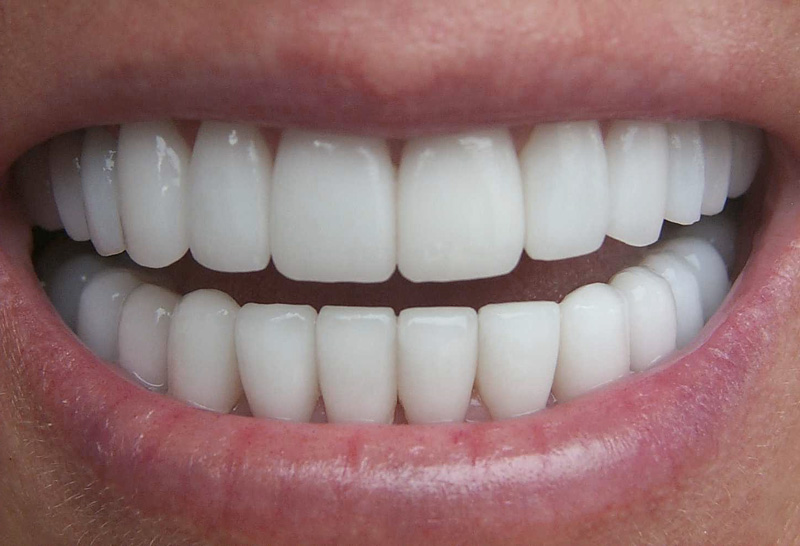
Tiny silica particles could be used to repair damaged teeth, research shows


(September 16, 2016)  Researchers at the University of Birmingham have shown how the development of coated silica nanoparticles could be used in restorative treatment of sensitive teeth and preventing the onset of tooth decay.

The study, published in the Journal of Dentistry, shows how sub-micron silica particles can be prepared to deliver important compounds into damaged teeth through tubules in the dentine.

The tiny particles can be bound to compounds ranging from calcium tooth building materials to antimicrobials that prevent infection.

Professor Damien Walmsley, from the School of Dentistry at the University of Birmingham, explained, “The dentine of our teeth have numerous microscopic holes, which are the entrances to tubules that run through to the nerve. When your outer enamel is breached, the exposure of these tubules is really noticeable. If you drink something cold, you can feel the sensitivity in your teeth because these tubules run directly through to the nerve and the soft tissue of the tooth.”

“Our plan was to use target those same tubules with a multifunctional agent that can help repair and restore the tooth, while protecting it against further infection that could penetrate the pulp and cause irreversible damage.”

The aim of restorative agents is to increase the mineral content of both the enamel and dentine, with the particles acting like seeds for further growth that would close the tubules.

Previous attempts have used compounds of calcium fluoride, combinations of carbonate-hydroxypatite nanocrystals and bioactive glass, but all have seen limited success as they are liable to aggregate on delivery to the tubules. This prevents them from being able to enter the opening which is only 1 to 4 microns in width.


image >>

INTERNATIONAL TEAM DISCOVERS NATURAL DEFENSE AGAINST HIV


Yong-Hui Zheng, associate professor of microbiology and molecular genetics,
Tao Zhou, postdoctoral research, and Dylan Frabutt, doctoral student, were part of
an international team to find a natural treatment for HIV. Photo by G.L. Kohuth

(September 16, 2015)  Researchers at Michigan State University were part of a team to discover a new natural defense against HIV infection.

The team’s discovery, featured in the current issue of the Journal of Biological Chemistry, focuses on ERManI, a protein that prevents the HIV virus from replicating.

“In earlier studies, we knew that we could interfere with the spread of HIV-1, but we couldn’t identify the mechanism that was stopping the process,” said Yong-Hui Zheng, MSU associate professor of microbiology and molecular genetics and co-author of the study. “We now know that ERManI is an essential key, and that it has the potential as a antiretroviral treatment.”

Antiretroviral treatments are not vaccines; they simply keep HIV in check in low levels in the body. While it could be decades before an ERManI-based treatment can be prescribed for HIV-1 patients, these results provide a strong path for future research involving human cells, and later, clinical tests.

The next steps will be to test if HIV resistance can be promoted by increasing ERManI levels, said Zheng, who worked on the study with scientists from the Harbin Veterinary Research Institute, the Chinese Academy of Agricultural Sciences and the University of Georgia.

Most viruses have viral envelopes, or protective skins, that comprise similar building blocks of the host the pathogens are trying to infect. On the surface of the envelope, there are viral glycoproteins, known as Env spikes, which act as valets, leading viruses to binding sites that allow infections to spread at the molecular level. They serve as a key of sorts that gives viruses entry into the host to begin spreading.

read entire press  release >>

September 15, 2015

In first, Salk scientists use sound waves to control brain cells


New technique to selectively and noninvasively turn on groups of neurons in worms could be boon to science and medicine

(September 15, 2015) Salk scientists have developed a new way to selectively activate brain, heart, muscle and other cells using ultrasonic waves. The new technique, dubbed sonogenetics, has some similarities to the burgeoning use of light to activate cells in order to better understand the brain.

This new method–which uses the same type of waves used in medical sonograms–may have advantages over the light-based approach–known as optogenetics–particularly when it comes to adapting the technology to human therapeutics. It was described September 15, 2015 in the journal Nature Communications.

“Light-based techniques are great for some uses and I think we’re going to continue to see developments on that front,” says Sreekanth Chalasani, an assistant professor in Salk’s Molecular Neurobiology Laboratory and senior author of the study. “But this is a new, additional tool to manipulate neurons and other cells in the body.”

In optogenetics, researchers add light-sensitive channel proteins to neurons they wish to study. By shining a focused laser on the cells, they can selectively open these channels, either activating or silencing the target neurons. But using an optogenetics approach on cells deep in the brain is difficult: typically, researchers have to perform surgery to implant a fiber optic cable that can reach the cells. Plus, light is scattered by the brain and by other tissues in the body.

For the first time, sound waves are used to control brain cells. Salk scientists developed
the new technique, dubbed sonogenetics, to selectively and noninvasively turn on groups
of neurons in worms that could be a boon to science and medicine.
Image: Courtesy of the Salk Institute for Biological Studies

Chalasani and his group decided to see if they could develop an approach that instead relied on ultrasound waves for the activation. “In contrast to light, low-frequency ultrasound can travel through the body without any scattering,” he says. “This could be a big advantage when you want to stimulate a region deep in the brain without affecting other regions,” adds Stuart Ibsen, a postdoctoral fellow in the Chalasani lab and first author of the new work.

Chalasani and his colleagues first showed that, in the nematode Caenorhabditis elegans, microbubbles of gas outside of the worm were necessary to amplify the low-intensity ultrasound waves. “The microbubbles grow and shrink in tune with the ultrasound pressure waves,” Ibsen says. “These oscillations can then propagate noninvasively into the worm.”


journal reference (Open Access) >>

A predictive structural model for bulk metallic glasses


Figure 4: Three efficiently packed, inter-penetrating, self-consistent clusters
in the Al25La55Ni20 BMG.
(September 15, 2015)

Abstract

Great progress has been made in understanding the atomic structure of metallic glasses, but there is still no clear connection between atomic structure and glass-forming ability. Here we give new insights into perhaps the most important question in the field of amorphous metals: how can glass-forming ability be predicted from atomic structure? We give a new approach to modelling metallic glass atomic structures by solving three long-standing problems: we discover a new family of structural defects that discourage glass formation; we impose efficient local packing around all atoms simultaneously; and we enforce structural self-consistency. Fewer than a dozen binary structures satisfy these constraints, but extra degrees of freedom in structures with three or more different atom sizes significantly expand the number of relatively stable, ‘bulk’ metallic glasses. The present work gives a new approach towards achieving the long-sought goal of a predictive capability for bulk metallic glasses.

Introduction

From the moment metallic glasses were discovered in 1960 (ref. 1), questions arose about their atomic structure. The dense random packing (DRP) model was introduced independently to describe the structure of monatomic liquids2, 3, 4. The metallic glass community adopted the DRP model, even though it consisted of single-sized atoms and metallic glasses always had atoms of different sizes. Attempts to put smaller atoms in the natural gaps of the DRP model5, 6 were abandoned since the gaps were too small and too few to agree with metallic glasses7. In a dramatic break from the DRP model, the stereo-chemically defined (SCD) model used efficiently packed, solute-centred clusters with total coordination of 9 as structural building blocks for metal-metalloid glasses8. This model included atoms of unequal size and gave a physical basis for chemical short-range order (SRO) known to exist in metallic glasses. However, it could not explain the medium-range order (MRO) found soon after the SCD model was introduced9, there was never a satisfying description of how efficiently packed clusters were arranged to avoid packing frustration10, and it could not explain the full range of atom sizes and concentrations that produced metallic glasses. Studies clearly showed that metallic glass structures were, indeed, efficiently packed11, 12, 13, 14, but none were able to explain how glass structures accomplished this feat. Reviews of the first 30 years of metallic glass structural modelling are available15, 16, 17.

Virus in cattle linked to human breast cancer


UC Berkeley researchers have linked bovine leukemia virus, a cancer-causing
virus prevalent in cattle, with human breast cancer.

(September 15, 2015)  A new study by UC Berkeley researchers establishes for the first time a link between infection with the bovine leukemia virus and human breast cancer.

In the study, published this month in the journal PLOS ONE and available online, researchers analyzed breast tissue from 239 women for the presence of bovine leukemia virus (BLV), comparing samples from women who had breast cancer with women who had no history of the disease. They found that 59 percent of breast cancer samples had evidence of exposure to BLV, as determined by the presence of viral DNA. By contrast, 29 percent of the tissue samples from women who never had breast cancer showed exposure to BLV.

“The association between BLV infection and breast cancer was surprising to many previous reviewers of the study, but it’s important to note that our results do not prove that the virus causes cancer,” said study lead author Gertrude Buehring, a professor of virology in the Division of Infectious Diseases and Vaccinology at UC Berkeley’s School of Public Health. “However, this is the most important first step. We still need to confirm that the infection with the virus happened before, not after, breast cancer developed, and if so, how.”

Bovine leukemia virus infects dairy and beef cattle’s blood cells and mammary tissue. The retrovirus is easily transmitted among cattle primarily through infected blood and milk, but it only causes disease in fewer than 5 percent of infected animals.

A 2007 U.S. Department of Agriculture survey of bulk milk tanks found that 100 percent of dairy operations with large herds of 500 or more cows tested positive for BLV antibodies. This may not be surprising since milk from one infected cow is mixed in with others. Even dairy operations with small herds of fewer than 100 cows tested positive for BLV 83 percent of the time.


journal reference (Open Access) >>

One Step Closer to a New Kind of Computer


(September 15, 2015)  An international group of physicists, including Aleksandr Golubov, head of the MIPT Laboratory of Topological Quantum Phenomena in Superconductor Systems, recently presented results of experiments testing a new phenomenon in the journal Science. The results may assist scientists in the creation of an essentially new kind of electronics - Mott transition, or the transition of an insulator to a conductor.  

Researchers from institutions in the Netherlands, Great Britain, Italy, the USA and Russia conducted a series of experiments with Mott insulators. These materials, according to band theory,* should be conductors but, in practice, are dielectrics (insulators). In general terms, the mechanism behind this anomaly is known to physicists, though a complete theory for Mott insulators does not yet exist. They do not fully understand how the materials transform from insulators into conductors.

* Band theory is a quantum theory developed in the first half of the 20th century to explain the electrical properties of substances. The theory is based on the idea of quantum energy states. Electrons in a substance either have both sufficient energy and free transition and, thus, are able to enter the zone of conductivity, or they do not, in which case it becomes what researchers call a “forbidden zone.”  

At the same time, preliminary estimates indicate that this effect is capable of opening a new path to faster computers. Motto transition occurs under the influence of several factors, including a magnetic field, which allows it to be controlled from outside. This makes it possible for researchers to permit current flow or to stop it at a necessary point. Such a scheme could replace common transistors and, in this case, allow them to be faster and more compact. But to do so, scientists must utilize the theory of Motto transition.     


The theory belongs to fundamental conceptions explaining the electrical properties of a substance. It has a direct relation not only to Motto insulator behavior but also to superconductivity and the fundamentals of spintronics, a technology that could allow the control of electron spin.* Superconductivity and spintronics are among those trends where one can expect radical technological breakthrough, which is what makes understanding the nature of Motto transition so important – and not only from a purely theoretical point of view.

* Physicists define spin (spin up and spin down) as a quantum quantity, which “shows itself” when a particle interacts with a magnetic field. Spin plays a fundamental role in quantum physics because, without considering spin, it is impossible to describe the behavior of electrons in atoms, the phenomenon of material magnetization or molecular structure. The phenomenon of magnetic resistance goes together with spin. This can be seen when a sample is placed in a magnetic field and its electrical resistance dramatically changes; the effect is also seen in all modern hard drives.

In their new research, the physicists used a special model that allowed them to study quantum processes in the Motto insulator with the aid of so-called magnetic vortices. In this model, which was proposed by Valery Vinokur and David Nelson in 1993, electric current actuates a quantum vortex in a superconducting material, and one can consider such vortices to be the charge carrier. At this point - which is most significant, and about which Vinokur and Nelson wrote when discussing phase transitions* in their work  - the superconductor with magnetic vortices behaved either like superfluid liquid or like glass, through which electric current cannot pass. By varying the temperature and the magnetic field, the scientists converted the sample from one state to another, and these observations together with the set of newer data were used as a basis for the new research.


journal reference >>

New perspectives for long-term climate predictions?


Time series of solar activity (bottom) and the North Atlantic Oscillation in two
model simulations, without (blue) and with (yellow) solar forcing. Graphics, GEOMAR.

Long-term climate variability in the Northern Hemisphere linked to solar variations

(September 15, 2015)  The natural, 11-year cycle of solar activity is apparently influencing long-term climate fluctuations in the Northern Hemisphere. An international team of scientists led by GEOMAR Helmholtz Centre for Ocean Research Kiel showed that the so-called North Atlantic Oscillation, one of the dominant circulation patterns on the Northern Hemisphere, is phased-locked to the decadal solar activity with a delay of one or two years. The study appears today in the international journal Nature Communications.

Are climate predictions over periods of several years reliable if weather forecast are still only possible for short periods of several days? Nevertheless there are options to predict the development of key parameters on such long time scales. A new study led by scientists at GEOMAR Helmholtz Centre for Ocean Research Kiel shows how the well-known 11-year cycle of solar activity affects the long-time development of dominant large-scale pressure systems in the Northern Hemisphere.

For their investigations the scientists used a coupled ocean-atmosphere model. In addition, this model includes an interactive chemistry module which can for instance cope with the effect of ultraviolet radiation (UV) in the upper atmosphere. This additional component seemed to be key to transmit the variations in the solar radiation which might have only a small direct impact on the earth's surface, through a complex mechanism from the stratosphere (10-50 km altitude) to the lower atmosphere.

read entire press  release >>

Hydrogen from sunlight: new efficiency record for artificial photosynthesis


New efficiency record: This small device is able to convert 14 percent
of the incoming solar energy into hydrogen. Credit: M. May

(September 15, 2015)  An international team has now succeeded in considerably increasing the efficiency for direct solar water splitting. They are using a tandem solar cell whose surfaces have been selectively modified. The new record value is 14 % and thus considerably above the previous record of 12.4 % held by the National Renewable Energy Laboratory (NREL) in the USA, broken now for the first time in 17 years. Researchers from the Institute for Solar Fuels at the Helmholtz-Zentrum Berlin, TU Ilmenau, the Fraunhofer Institute for Solar Energy Systems ISE in Freiburg and the California Institute of Technology (Caltech) participated in the collaboration. The results have been published in Nature Communications.

The tandem cell is covered with a catalyst for hydrogen formation.
Credit: M. May

Solar energy is abundantly available globally, but unfortunately not constantly and not everywhere. One especially interesting solution for storing this energy is artificial photosynthesis. This is what every leaf can do, namely converting sunlight to “chemical energy”. That can take place with artificial systems based on semiconductors as well. These use the electrical power that sunlight creates in individual semiconductor components to split water into oxygen and hydrogen. Hydrogen possesses very high energy density, can be employed in many ways and could replace fossil fuels. In addition, no carbon dioxide harmful to the climate is released from hydrogen during combustion, instead only water. Until now, manufacturing of solar hydrogen at the industrial level has failed due to the costs, however. This is because the efficiency of artificial photosynthesis, i.e. the energy content of the hydrogen compared to that of sunlight, has simply been too low to produce hydrogen from the sun economically.


journal reference (Open Access) >>

September 14, 2015

New way to store solar energy could lead to more common solar cell usage


,
A working cell from Switzer’s research, with gas evolution.
Photo by Sam O’Keefe, Missouri S&T.

(September 14, 2015)  Researchers at Missouri University of Science and Technology have developed a relatively inexpensive and simple way to split water into hydrogen and oxygen through a new electrodeposition method. The method produces highly efficient solar cells that can gather solar energy for use as fuel.

The research, sponsored by the U.S. Department of Energy, could lead to a sizable increase in the amount of hydrogen available for fuel usage.

The Missouri S&T researchers describe their full method in a paper published today (Monday, Sept. 14, 2015) on the website of the journal “Nature Materials.”

“The work helps to solve the problem that solar energy is intermittent,” says Dr. Jay A. Switzer, the Donald L. Castleman/Foundation for Chemical Research Professor of Discovery at Missouri S&T. “Obviously, we cannot have the sun produce energy on one spot the entire day, but our process converts the energy into a form that is more easily stored.”

Switzer and his team use silicon wafers to absorb solar energy. The silicon is submerged in water, with the front surface exposed to a solar energy simulator and the back surface covered in electrodes to conduct the energy. The silicon has cobalt nano-islands formed onto it using a process called electrodeposition.


journal reference >>

DISCOVERY OF A HIGHLY EFFICIENT CATALYST EASES WAY TO HYDROGEN ECONOMY


(September 14, 2015)  Hydrogen could be the ideal fuel: Whether used to make electricity in a fuel cell or burned to make heat, the only byproduct is water; there is no climate-altering carbon dioxide.

Like gasoline, hydrogen could also be used to store energy.

Hydrogen is usually produced by separating water with electrical power. And although the water supply is essentially limitless, a major roadblock to a future "hydrogen economy" is the need for platinum or other expensive noble metals in the water-splitting devices.

Noble metals resist oxidation and include many of the precious metals, such as platinum, palladium, iridium and gold.

"In the hydrogen evolution reaction, the whole game is coming up with inexpensive alternatives to platinum and the other noble metals," says Song Jin, a professor of chemistry at the University of Wisconsin-Madison.

In the online edition of Nature Materials that appears today, Jin's research team reports a hydrogen-making catalyst containing phosphorus and sulfur - both common elements - and cobalt, a metal that is 1,000 times cheaper than platinum.

Catalysts reduce the energy needed to start a chemical reaction. The new catalyst is almost as efficient as platinum and likely shows the highest catalytic performance among the non-noble metal catalysts reported so far, Jin reports.

read entire press  release >>

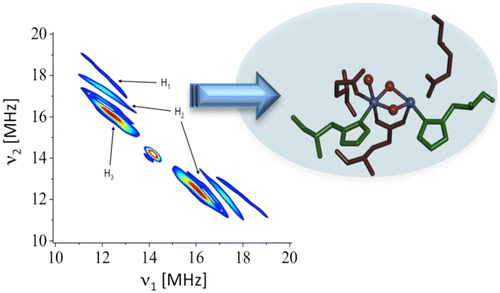
Application of New Spectroscopy Method To Capture Reactions in Photosynthesis


CAPTION: The new spectroscopy method, "2D HYSCORE," is able to capture
the reactions that split water and hydrogen peroxide in metal-containing proteins
or metallo-enzymes in nature. CREDIT: RPI

(September 15, 2015)  A new spectroscopy method is bringing researchers at Rensselaer Polytechnic Institute (RPI) closer to understanding – and artificially replicating – the solar water-splitting reaction at the heart of photosynthetic energy production.  Understanding the step-by-step mechanism of photosynthesis could lead to methods of producing highly efficient solar energy. The  spectroscopy method, a modification of “2D HYSCORE,” is able to capture the reactions that split water and hydrogen peroxide in metal-containing proteins or metallo-enzymes in nature.

The researchers, led by Rensselaer professor K.V. Lakshmi, developed the method as part of an ongoing investigation into the photosynthetic protein, Photosystem II. Details of the research “Two-Dimensional HYSCORE Spectroscopy of Superoxidized Manganese Catalase: A Model for the Oxygen-Evolving Complete of Photosystem II” were published in the Journal of Physical Chemistry.

“The solar-powered water-splitting photosynthetic protein complex, Photosystem II, catalyzes one of the most energetically demanding reactions in nature by using light energy to split water to dioxygen,” said Lakshmi, associate professor of chemistry and chemical biology, and scientific director at the Baruch ’60 Center for Biochemical Solar Energy Research at Rensselaer. ”However, the details of the water-splitting reaction have remained elusive due to the inability of conventional methods to probe the active site of metal-containing proteins, like Photosystem II.”

Photosystem II, found in plants and cyanobacteria, uses photons of light to break apart molecules of water, extracting electrons and protons to fuel the photosynthetic conversion of light and water into chemical energy that is used to power the planet. This reaction – solar oxidation of water – takes place in a cluster of oxygen, manganese, and calcium ions called the “oxygen-evolving complex.” The oxygen-evolving complex uses four photons of light to split two molecules of water in five distinct steps known as “S-states.” Each intermediate S-state, numbered from S-0 to S-4, is measured in trillionths of a second, and the final three S-states (S-2, S-3, and S-4)are highly unstable, making it difficult to determine the exact mechanism by which they occur.


journal reference >>

Biodiesel made easy with waste-recycling catalyst

Graham-Hutchings-CCI-Director

(September 15, 2015)  University researchers develop catalyst to recycle waste and increase the yield of biodiesel

Researchers from the Cardiff Catalysis Institute have devised a way of increasing the yield of biodiesel by using the waste left over from its production process.

Using simple catalysis, the researchers have been able to recycle a non-desired by-product produced when biodiesel is formed from vegetable oil, and convert this into an ingredient to produce even more biodiesel.

It is believed this new process will have significant environmental benefits by improving the yield of biodiesel in a sustainable way that doesn’t require the use of additional fossil fuels, and could potentially reduce the costs of the biodiesel production process.

The results have been published today, 14 September, in the journal Nature Chemistry.

By 2020, the EU aims to have 10 per cent of the transport fuel of every EU country come from renewable sources such as biofuels. Fuel suppliers are also required to reduce the greenhouse gas intensity of the EU fuel mix by 6 per cent by 2020 in comparison to 2010.

At present, biodiesel is produced by combining fats and oils with methanol, which is usually derived from fossil fuels. A waste product from this process is crude glycerol, which is formed on a large scale and contains many impurities that make it costly to purify and re-use in other areas.

In their study, the researchers developed a way of turning the crude glycerol back into methanol, which could then be used as a starting reactant to create more biodiesel.

To achieve this, the researchers reacted glycerol with water, to provide the element hydrogen, and a magnesium oxide (MgO) catalyst. The reaction involved a simple one-step process and could be performed using mild conditions.

read entire press  release >>

Researchers develop key component for terahertz wireless


Covering all the angles
Terahertz waves leak out of a small slit in the antenna at different angles, depending
on frequency. The receiver can be tuned to select one angle, plucking a single data
channel from a stream containing many channels. Mittleman lab/Brown University

(September 14, 2015)  Terahertz waves, operating at a much higher frequency than microwaves, could one day be used to carry data many times faster than today’s cellular and Wi-Fi networks. More work needs to be done before terahertz technology is deployed, but a Brown-led research team has made progress on one important part: multiplexing and de-multiplexing a terahertz stream.

Terahertz radiation could one day provide the backbone for wireless systems that can deliver data up to one hundred times faster than today’s cellular or Wi-Fi networks. But there remain many technical challenges to be solved before terahertz wireless is ready for prime time.

Researchers from Brown University have taken a major step toward addressing one of those challenges. They’ve developed what they believe to be the first system for multiplexing terahertz waves. Multiplexers are devices that enable separate streams of data to travel through a single medium. It’s the technology that makes it possible for a single cable to carry multiple TV channels or for a fiber optic line to carry thousands of phone calls at the same time.

“Any terahertz communications application is going to need some form of multiplexing and demultiplexing,” said Daniel Mittleman, professor of engineering at Brown and senior author of a paper describing the new device. “This is, to our knowledge, the first time anyone has demonstrated a viable strategy for multiplexing in the terahertz range.”

The research was published September 14 in Nature Photonics.

Today’s cellular and Wi-Fi networks rely on microwaves to carry voice conversations and data. But the increasing demands for data transfer are quickly becoming more than microwaves can handle. Terahertz waves have a much higher frequency and therefore more potential bandwidth. Scientists and engineers have only recently begun exploring the potential of terahertz waves, however. As a result, many of the components for a terahertz wireless network — including multiplexers — have not yet been developed.

read entire press  release >>

September 12, 2015

Team announces breakthrough observation of Mott transition in a superconductor


Scientists announced the first observation of a dynamic vortex Mott transition, which experimentally
connects the worlds of quantum mechanics and classical physics and could shed light on the
poorly understood world of non-equilibrium physics. Image courtesy Valerii Vinokur/Science;
click to view larger.

(September 12, 2015)  An international team of researchers, including the MESA+ Institute for Nanotechnology at the University of Twente in the Netherlands and the U.S. Department of Energy’s Argonne National Laboratory, announced today in Science the observation of a dynamic Mott transition in a superconductor.

The discovery experimentally connects the worlds of classical and quantum mechanics and illuminates the mysterious nature of the Mott transition. It also could shed light on non-equilibrium physics, which is poorly understood but governs most of what occurs in our world. The finding may also represent a step towards more efficient electronics based on the Mott transition.

Since its foundations were laid in the early part of the 20th century, scientists have been trying to reconcile quantum mechanics with the rules of classical or Newtonian physics (like how you describe the path of an apple thrown into the air—or dropped from a tree). Physicists have made strides in linking the two approaches, but experiments that connect the two are still few and far between; physics phenomena are usually classified as either quantum or classical, but not both.

One system that unites the two is found in superconductors, certain materials that conduct electricity perfectly when cooled to very low temperatures. Magnetic fields penetrate the superconducting material in the form of tiny filaments called vortices, which control the electronic and magnetic properties of the materials.

read entire press  release >>

September 11, 2015

Neurotechnology Provides Near-Natural Sense of Touch


Revolutionizing Prosthetics program achieves goal of restoring sensation

(September 11, 2015)  A 28-year-old who has been paralyzed for more than a decade as a result of a spinal cord injury has become the first person to be able to “feel” physical sensations through a prosthetic hand directly connected to his brain, and even identify which mechanical finger is being gently touched.

The advance, made possible by sophisticated neural technologies developed under DARPA’s Revolutionizing Prosthetics points to a future in which people living with paralyzed or missing limbs will not only be able to manipulate objects by sending signals from their brain to robotic devices, but also be able to sense precisely what those devices are touching.

“We’ve completed the circuit,” said DARPA program manager Justin Sanchez. “Prosthetic limbs that can be controlled by thoughts are showing great promise, but without feedback from signals traveling back to the brain it can be difficult to achieve the level of control needed to perform precise movements. By wiring a sense of touch from a mechanical hand directly into the brain, this work shows the potential for seamless bio-technological restoration of near-natural function.”

The clinical work involved the placement of electrode arrays onto the paralyzed volunteer’s sensory cortex—the brain region responsible for identifying tactile sensations such as pressure. In addition, the team placed arrays on the volunteer’s motor cortex, the part of the brain that directs body movements.

read entire press  release >>

Nano in food and agriculture: regulations require collaboration to ensure safety


Nanotechnology offers promise for the development of innovative products and applications
in industrial sectors such as agricultural production, animal feed and treatment,
food processing and food contact materials. © aleks traksel, Fotolia.com

(September 11, 2015)  An overview of regulatory solutions worldwide on the use of nanotechnology in food and feed production shows a differing approach: only the EU and Switzerland have nano-specific provisions incorporated in existing legislation, whereas other countries count on non-legally binding guidance and standards for industry. Collaboration among countries across the globe is required to share information and ensure protection for people and the environment, according to a JRC co-authored paper.

The paper Regulatory aspects of nanotechnology in the agri/feed/food sector in EU and non-EU countries reviews how potential risks or the safety of nanotechnology are managed in different countries around the world and recognises that this may have implication on the international market of nano-enabled agricultural and food products.

Nanotechnology offers substantial prospects for the development of innovative products and applications in many industrial sectors, including agricultural production, animal feed and treatment, food processing and food contact materials. While some applications are already marketed, many other nano-enabled products are currently under research and development, and may enter the market in the near future. Expected benefits of such products include increased efficacy of agrochemicals through nano-encapsulation, enhanced bioavailability of nutrients or more secure packaging material through microbial nanoparticles.

read entire press  release >>

Study Reveals Connection Between Fitness Level, Brain Activity and Executive Function


Brain function associated with higher cardiorespiratory fitness plays a role in increased cognitive performance in older adults, according to a new study at the University of Illinois.

(September 11, 2015)  The aging process is associated with declines in brain function, including memory and how fast our brain processes information, yet previous research has found that higher levels of cardiorespiratory fitness in older adults leads to better executive function in the brain, which helps with reasoning and problem solving. Higher cardiorespiratory fitness levels have also been found to increase brain volume in key brain regions.

A new study from a team at the Beckman Institute for Advanced Science and Technology at the University of Illinois reveals the connection between brain activation, cardiorespiratory fitness, and executive function in older adults, finding that dual-task processing in a core executive function brain region is associated with higher cardiorespiratory fitness and dual-task performance.

“Previous studies have shown that there’s a relationship between cardiorespiratory fitness and behavioral performance in older adults. Other studies have looked at cardiorespiratory fitness and brain function, but really linking all three of those hasn’t been quite been done as explicitly as we did in this paper,” said Chelsea Wong, a M.D./Ph.D. student at the University of Illinois and first author on the paper, published in Frontiers in Aging Neuroscience.


image >>

Best Precision Yet for Neutrino Measurements at Daya Bay


Bird's-eye view of the underground Daya Bay Far Hall during installation. The four antineutrino detectors are
immersed in a large pool filled with ultra pure water as a cosmic muon veto system.
(Photo by Roy Kaltschmidt, Berkeley Lab)

By tracking the transformation of neutrinos, scientists hope to answer fundamental physics questions.

(September 11, 2015)  In the Daya Bay region of China, about 55 kilometers northeast of Hong Kong, a research project is underway to study ghostlike, elusive particles called neutrinos. Today, the international Daya Bay Collaboration announces new findings on the measurements of neutrinos, paving the way forward for further neutrino research, and confirming that the Daya Bay neutrino experiment continues to be one to watch.

The latest findings involve measurements that track the way neutrinos change types or flavors as they move, a characteristic called neutrino oscillation. By measuring neutrino oscillation, the researchers can home in on two key neutrino properties: their "mixing angle" and "mass splitting."

Measurements of these properties by the Daya Bay Collaboration are the most precise to date, an improvement of about a factor of two over previous measurements published by the collaboration in early in 2014. The new results will be published in Physical Review Letters.

read entire press  release >>

Cancer patient receives 3D printed ribs in world first surgery


In a world-first surgery, a Spanish cancer patient has received a 3D printed titanium sternum and rib implant that was designed and manufactured in Melbourne.

(September 11, 2015)  Suffering from a chest wall sarcoma (a type of tumour that grows in and around the rib cage), the 54-year-old man needed his sternum and a portion of his rib cage replaced.

This part of the chest is notoriously tricky to recreate with prosthetics, due to the complex geometry and intricate structures involved. So the patient’s surgical team from Salamanca University Hospital determined that a fully customisable 3D printed sternum and rib cage was the best option.

That’s when they turned to Melbourne-based medical device company Anatomics, who designed and manufactured the implant utilising CSIRO’s 3D printing facility, Lab 22.

Once the prosthesis was complete it was couriered to Spain and implanted into the patient. Twelve days after the surgery the patient was discharged and has recovered well.

Read the full media release from the Minister for Industry and Science Ian Macfarlane: Cancer patient receives 3D printed ribs in world firstsurgery >>

read entire press  release >>

Diet beverage drinkers compensate by eating unhealthy food, study finds


Alcoholic drinks and sugar-sweetened beverages are associated with higher overall daily intakes,
although people who drink diet beverages consume a greater percentage of non-nutritious food.

(September 11, 2015)  Want fries with that diet soda? You aren’t alone, and you may not be “saving” as many calories as you think by consuming diet drinks.

A new study that examined the dietary habits of more than 22,000 U.S. adults found that diet-beverage consumers may compensate for the absence of calories in their drinks by noshing on extra food that is loaded with sugar, sodium, fat and cholesterol.

University of Illinois kinesiology and community health professor Ruopeng An examined 10 years of data from the National Health and Nutrition Examination Survey, conducted by the National Center for Health Statistics, which asked participants to recall everything they ate or drank over the course of two nonconsecutive days.

An compared participants’ daily calorie intakes, including their consumption of discretionary foods and five types of beverages – diet or sugar-free drinks; sugar-sweetened beverages, such as sodas and fruit drinks; coffee; tea; and alcohol.

read entire press  release >>

September 10, 2015

NIST Physicists Show ‘Molecules’ Made of Light May Be Possible


Title: Photon Molecule
Description: Researchers show that two photons, depicted in this artist?s conception
as waves (left and right), can be locked together at a short distance. Under certain
conditions the photons can form a state resembling a two-atom molecule,
represented as the blue dumbbell shape at center. Credit: E. Edwards/JQI

(September 10, 2015)  It’s not lightsaber time, not yet. But a team including theoretical physicists from the National Institute of Standards and Technology (NIST) has taken another step toward building objects out of photons, and the findings* hint that weightless particles of light can be joined into a sort of “molecule” with its own peculiar force.

The findings build on previous research that several team members contributed to before joining NIST. In 2013, collaborators from Harvard, Caltech and MIT found a way to bind two photons together so that one would sit right atop the other, superimposed as they travel. Their experimental demonstration was considered a breakthrough, because no one had ever constructed anything by combining individual photons—inspiring some to imagine that real-life lightsabers were just around the corner.

Now, in a paper forthcoming in Physical Review Letters, the NIST and University of Maryland-based team (with other collaborators) has showed theoretically that by tweaking a few parameters of the binding process, photons could travel side by side, a specific distance from each other. The arrangement is akin to the way that two hydrogen atoms sit next to each other in a hydrogen molecule.

“It’s not a molecule per se, but you can imagine it as having a similar kind of structure,” says NIST’s Alexey Gorshkov. “We’re learning how to build complex states of light that, in turn, can be built into more complex objects. This is the first time anyone has shown how to bind two photons a finite distance apart."

read entire press  release >>