April 4, 2013

Researchers Develop New System to Study Trigger of Cell Death in Nervous System


Study of receptor protein could provide clues for fighting diseases

Researchers at the University of Arkansas have developed a new model system to study a receptor protein that controls cell death in both humans and fruit flies, a discovery that could lead to a better understanding of neurodegenerative diseases such as Alzheimer’s and Parkinson’s.

Michael Lehmann, an associate professor of biological sciences, uses fruit fly genetics to study the receptor — N-methyl-D-aspartate receptor, known as the NMDA receptor — that triggers programmed cell death in the human nervous system.


Rotary valve could help propel craft to Mars one day


A rotary fuel delivery valve developed by a UAHuntsville team led by Dr. James Blackmon just might help us get manned space flights out of our immediate neighborhood one day, and he says it could have practical terrestrial applications.

Dr. Blackmon, a principal research engineer at the university's Propulsion Research Center, figures that to travel to places like Mars and beyond we'll first have to decide what kind of fuel delivery system we'll use to feed the rocket engines and then we'll have to determine how we're going to rebuild or maintain that system during long stays in space. That's where the new valve comes in.


A mighty wind


Thrusters powered by ionic wind may be an efficient alternative to conventional atmospheric propulsion technologies.

When a current passes between two electrodes — one thinner than the other — it creates a wind in the air between. If enough voltage is applied, the resulting wind can produce a thrust without the help of motors or fuel.

This phenomenon, called electrohydrodynamic thrust — or, more colloquially, “ionic wind” — was first identified in the 1960s. Since then, ionic wind has largely been limited to science-fair projects and basement experiments; hobbyists have posted hundreds of how-to videos on building “ionocrafts” — lightweight vehicles made of balsa wood, aluminum foil and wire — that lift off and hover with increased voltage.


Ability To 'Think About Thinking' Not Limited Only To Humans According to New Research


Humans’ closest animal relatives, chimpanzees, have the ability to “think about thinking” – what is called “metacognition,” according to new research by scientists at Georgia State University and the University at Buffalo.

Michael J. Beran and Bonnie M. Perdue of the Georgia State Language Research Center (LRC) and J. David Smith of the University at Buffalo conducted the research, published in the journal Psychological Science of the Association for Psychological Science.

“The demonstration of metacognition in nonhuman primates has important implications regarding the emergence of self-reflective mind during humans’ cognitive evolution,” the research team noted.


ORNL microscopy uncovers "dancing" silicon atoms in graphene


Jumping silicon atoms are the stars of an atomic scale ballet featured in a new Nature Communications study from the Department of Energy's Oak Ridge National Laboratory.

The ORNL research team documented the atoms' unique behavior by first trapping groups of silicon atoms, known as clusters, in a single-atom-thick sheet of carbon called graphene. The silicon clusters, composed of six atoms, were pinned in place by pores in the graphene sheet, allowing the team to directly image the material with a scanning transmission electron microscope.

The "dancing" movement of the silicon atoms, seen in a video here: http://www.ornl.gov/ornlhome/video/video_files/dancing-silicons-1.mov, was caused by the energy transferred to the material from the electron beam of the team's microscope.


Notre Dame imaging specialists create 3-D images to aid surgeons


University of Notre Dame researchers have successfully created three-dimensional anatomical models from CT scans using 3-D printing technology, a process that holds promise for medical professionals and their patients. A paper by the researchers, “3D Printing of Preclinical X-ray Computed Tomographic Data Sets,” was published in the Journal of Visualized Experiments this week.

The strategy was initiated last spring by then-freshman Evan Doney, a Glynn Family Honors student in the laboratory of W. Matthew Leevy, research assistant professor at the Notre Dame Integrated Imaging Facility. “It’s a very clever idea,” Leevy said. “He did a lot of it independently. He figured out how to convert the tomographic data to a surface map for editing and subsequent 3-D printing.”


Laser Light Zaps Away Cocaine Addiction


Brain Stimulation in Rats Suggest New, Unconventional Therapy for Human Cocaine Addiction

By stimulating one part of the brain with laser light, researchers at the National Institutes of Health (NIH) and the Ernest Gallo Clinic and Research Center at UC San Francisco (UCSF) have shown that they can wipe away addictive behavior in rats – or conversely turn non-addicted rats into compulsive cocaine seekers.

“When we turn on a laser light in the prelimbic region of the prefrontal cortex, the compulsive cocaine seeking is gone,” said Antonello Bonci, MD, scientific director of the intramural research program at the NIH’s National Institute on Drug Abuse (NIDA), where the work was done. Bonci is also an adjunct professor of neurology at UCSF and an adjunct professor at Johns Hopkins University.


NIH study sheds light on how to reset the addicted brain


Research suggests that targeted stimulation of the brain’s prefrontal cortex is a promising treatment for addiction

Could drug addiction treatment of the future be as simple as an on/off switch in the brain? A study in rats has found that stimulating a key part of the brain reduces compulsive cocaine-seeking and suggests the possibility of changing addictive behavior generally.  The study, published in Nature, was conducted by scientists at the Intramural Research Program of the National Institute on Drug Abuse (NIDA), part of the National Institutes of Health, and the University of California, San Francisco.


Painted turtle gets DNA decoded


cientists have decoded the genome of the western painted turtle, one of the most abundant turtles on Earth, finding clues to their longevity and ability to survive without oxygen during long winters spent hibernating in ice-covered ponds.

Understanding the natural mechanisms turtles use to protect the heart and brain from oxygen deprivation may one day improve treatments for heart attacks or strokes, the researchers say. Both can lead to severe disability or death within minutes in patients deprived of oxygen.


Quantum tricks drive magnetic switching into the fast lane


All-optical switching promises terahertz-speed hard drive and RAM memory

Researchers at the U.S. Department of Energy’s Ames Laboratory, Iowa State University, and the University of Crete in Greece have found a new way to switch magnetism that is at least 1000 times faster than currently used in magnetic memory technologies. Magnetic switching is used to encode information in hard drives, magnetic random access memory and other computing devices. The discovery, reported in the April 4 issue of Nature, potentially opens the door to terahertz (1012 hertz) and faster memory speeds.

Ames Laboratory physicist Jigang Wang and his team used short laser pulses to create ultra-fast changes in the magnetic structure, within quadrillionths of a second (femtosecond), from anti-ferromagnetic to ferromagnetic ordering in colossal magnetoresistive materials, which are promising for use in next-generation memory and logic devices. Scientists, led by Ilias E. Perakis, at the University of Crete developed the theory to explain the observation.


April 3, 2013

Astronomers anticipate 100 billion Earth-like planets


Researchers at The University of Auckland have proposed a new method for finding Earth-like planets and they anticipate that the number will be in the order of 100 billion.

The strategy uses a technique called gravitational microlensing, currently used by a Japan-New Zealand collaboration called MOA (Microlensing Observations in Astrophysics) at New Zealand’s Mt John Observatory. Their work will appear in the Oxford University Press journal Monthly Notices of the Royal Astronomical Society.

Lead author Dr Phil Yock from the University of Auckland’s Department of Physics explains that the work will require a combination of data from microlensing and the NASA Kepler space telescope.


Gender Bias Found in How Scholars Review Scientific Studies


Study Abstracts Rated as Higher Quality with Male Authors

A scientist’s gender can have a big impact on how other researchers perceive his or her work, according to a new study.

Young scholars rated publications supposedly written by male scientists as higher quality than identical work identified with female authors.

The research found that graduate students in communication -- both men and women -- showed significant bias against study abstracts they read whose authors had female names like “Brenda Collins” or “Melissa Jordan.”


Breakthrough Cancer-Killing Treatment Has No Side-Effects, Says MU Researcher


New chemistry could cure human cancers when funding is secured

Cancer painfully ends more than 500,000 lives in the United States each year, according to the Centers for Disease Control and Prevention. The scientific crusade against cancer recently achieved a victory under the leadership of University of Missouri Curators’ Professor M. Frederick Hawthorne. Hawthorne’s team has developed a new form of radiation therapy that successfully put cancer into remission in mice. This innovative treatment produced none of the harmful side-effects of conventional chemo and radiation cancer therapies. Clinical trials in humans could begin soon after Hawthorne secures funding.

“Since the 1930s, scientists have sought success with a cancer treatment known as boron neutron capture therapy (BNCT),” said Hawthorne, a recent winner of the National Medal of Science awarded by President Obama in the White House. “Our team at MU’s International Institute of Nano and Molecular Medicine finally found the way to make BNCT work by taking advantage of a cancer cell’s biology with nanochemistry.”


Study: Environmental policies matter for growing megacities


A new study shows clean-air regulations have dramatically reduced acid rain in the United States, Europe, Japan and South Korea over the past 30 years, but the opposite is true in fast-growing East Asian megacities, possibly due to lax antipollution rules or lack of enforcement.

The U.S. Clean Air Act began requiring regulatory controls for vehicle emissions in the 1970s, and 1990 amendments addressed issues including acid rain. Similar steps in the European Union, Japan and South Korea over the past three decades have reduced nitrate and sulfate in rain - components contributing to acid rain, said Suresh Rao, Lee A. Reith Distinguished Professor of Civil Engineering and Agronomy at Purdue University.


Quantum cryptography: On wings of light


LMU physicists have, for the first time, successfully transmitted a secure quantum code through the atmosphere from an aircraft to a ground station.

Can worldwide communication ever be fully secure? Quantum physicists believe they can provide secret keys using quantum cryptography via satellite. Unlike communication based on classical bits, quantum cryptography employs the quantum states of single light quanta (photons) for the exchange of data. Heisenberg’s uncertainty principle limits the precision with which the position and momentum of a quantum particle can be determined simultaneously, but can also be exploited for secure information transfer. Like its classical counterpart, quantum cryptography requires a shared key with which the parties encode and decode messages. However, quantum mechanical phenomena guarantee the security of quantum key distribution. Because quantum states are fragile, interception of the key by an eavesdropper will alter the behavior properties of the particles, and thus becomes detectable.


Men ‘more depressed and sad’ than women if childless


Men are almost as likely as women to want children, and they feel more isolated, depressed, angry and sad than women if they don’t have them, a new study says.

The research, presented at the British Sociological Association annual conference in London today [Wednesday 3 April], also showed that cultural and family expectations were among the main influences on men’s wish to have children.

Robin Hadley, of Keele University, carried out a survey of 27 men and 81 women who were not parents to ask them if they wanted to have children and why. Mr Hadley found that 59% of men (16) and 63% of women (51) said they wanted children.


The Bees’ Kamasutra


Female leaf-cutter bees are choosy about their sexual partners: they only fall for males who give off the appropriate smell. Zoologists at the University of Bonn have discovered that the male bees actually have to rub their scent under their partners’ noses. Glands in their front legs serve as “scent sprays”.

There is not much room for sensuality in the sex act of the leaf-cutter bees. The male throws himself on the female, gets a firm hold on her feelers with his jaws, keeps her eyes shut with his forelegs, presses her wings against her body with his middle pair of legs and forces her abdomen upwards. “But the lady bee alone decides who she would like to mate with,” Professor Dieter Wittmann explains, “if she doesn’t want her suitor, she bucks and throws him off – and sometimes even shows him who’s boss with her sting.”


Lactate preserves neuronal metabolism and function following antecedent recurrent hypoglycemia


Hypoglycemia occurs frequently during intensive insulin therapy in patients with both type 1 and type 2 diabetes and remains the single most important obstacle in achieving tight glycemic control. Using a rodent model of hypoglycemia, we demonstrated that exposure to antecedent recurrent hypoglycemia leads to adaptations of brain metabolism so that modest increments in circulating lactate allow the brain to function normally under acute hypoglycemic conditions. We characterized 3 major factors underlying this effect. First, we measured enhanced transport of lactate both into as well as out of the brain that resulted in only a small increase of its contribution to total brain oxidative capacity, suggesting that it was not the major fuel. Second, we observed a doubling of the glucose contribution to brain metabolism under hypoglycemic conditions that restored metabolic activity to levels otherwise only observed at euglycemia. Third, we determined that elevated lactate is critical for maintaining glucose metabolism under hypoglycemia, which preserves neuronal function. These unexpected findings suggest that while lactate uptake was enhanced, it is insufficient to support metabolism as an alternate substrate to replace glucose. Lactate is, however, able to modulate metabolic and neuronal activity, serving as a “metabolic regulator” instead.


Hunger in the Absence of Caloric Restriction Improves Cognition and Attenuates Alzheimer's Disease Pathology in a Mouse Model


Abstract

It has been shown that caloric restriction (CR) delays aging and possibly delays the development of Alzheimer's disease (AD). We conjecture that the mechanism may involve interoceptive cues, rather than reduced energy intake per se. We determined that hunger alone, induced by a ghrelin agonist, reduces AD pathology and improves cognition in the APP-SwDI mouse model of AD. Long-term treatment with a ghrelin agonist was sufficient to improve the performance in the water maze. The treatment also reduced levels of amyloid beta (Aβ) and inflammation (microglial activation) at 6 months of age compared to the control group, similar to the effect of CR. Thus, a hunger-inducing drug attenuates AD pathology, in the absence of CR, and the neuroendocrine aspects of hunger also prevent age-related cognitive decline.


Can Synthetic Biology Save Wildlife?


New paper says discussion on benefits and risks

of synthetic biology to conservation is necessary

From re-creating extinct species to the risk of genetically modified super-species

Upcoming conference at Clare College in Cambridge, England, on April 9-11 will examine the nexus of synthetic biology and conservation

What effects will the rapidly growing field of synthetic biology have on the conservation of nature? The ecological and ethical challenges stemming from this question will require a new and continuing dialogue between members of the synthetic biology and biodiversity conservation communities, according to authors of a new paper.


Telerobotic system designed to treat bladder cancer


Although bladder cancer is the sixth most common form of cancer in the U.S. and the most expensive to treat, the basic method that doctors use to treat it hasn’t changed much in more than 70 years.

An interdisciplinary collaboration of engineers and doctors at Vanderbilt and Columbia Universities intends to change that situation dramatically. Headed by Nabil Simaan, associate professor of mechanical engineering at Vanderbilt, the team has developed a prototype telerobotic platform designed to be inserted through natural orifices – in this case the urethra – that can provide surgeons with a much better view of bladder tumors so they can diagnose them more accurately. It is also designed to make it easier to remove tumors from the lining of the bladder regardless of their location – an operation called transurethral recession.


Pedestrians at serious risk when drivers are “permitted” to turn left


A study to examine driver behavior in permitted left turns has identified what researchers call an “alarming” level of risk to pedestrians crossing the street – about 4-9 percent of the time, drivers don’t even bother to look and see if there are pedestrians in their way.

As opposed to a “protected” left turn, in which a solid green arrow gives a driver the complete right of way in a left-turn lane, a “permitted” left turn is often allowed by a confusing hodgepodge of signals, and drivers may have to pick their way through narrow windows of oncoming traffic.


Research finds second source of potentially disruptive Icelandic volcanoes


New research by The Open University and Lancaster University discovered another type of Icelandic volcanic eruption that could cause disruption. Published in Geology (February 2013), the team found magma that is twice as 'fizzy' as previously believed, which increases the likelihood of disruptive ash clouds from future eruptions.


Rising temperature difference between hemispheres could dramatically shift rainfall patterns in tropics


One often ignored consequence of global climate change is that the Northern Hemisphere is becoming warmer than the Southern Hemisphere, which could significantly alter tropical precipitation patterns, according to a new study by climatologists from the University of California, Berkeley, and the University of Washington, Seattle.

Such a shift could increase or decrease seasonal rainfall in areas such as the Amazon, sub-Saharan Africa or East Asia, leaving some areas wetter and some drier than today.

“A key finding is a tendency to shift tropical rainfall northward, which could mean increases in monsoon weather systems in Asia or shifts of the wet season from south to north in Africa and South America,” said UC Berkeley graduate student Andrew R. Friedman, who led the analysis.


April 2, 2013

Total Buzz Kill: Metals in Flowers May Play Role in Bumblebee Decline


Pitt study finds that bees are at risk of ingesting toxic amounts of aluminum and nickel found in flowers growing in polluted soil

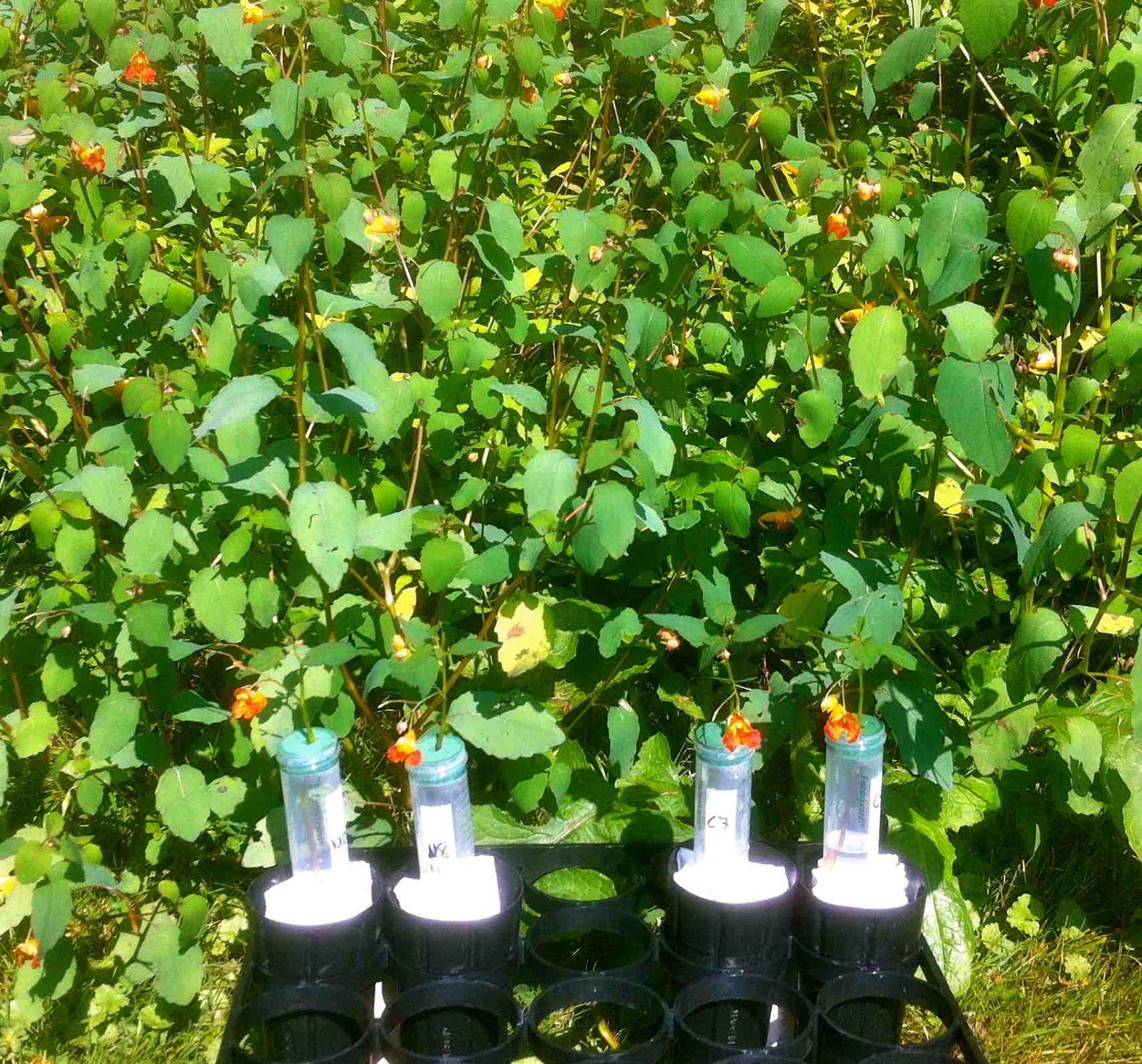
Beekeepers and researchers nationally are reporting growing evidence that a powerful new class of pesticides may be killing off bumblebees. Now, research at the University of Pittsburgh points toward another potential cause: metal pollution from aluminum and nickel.

Published in the journal Environmental Pollution, the Pitt study finds that bumblebees are at risk of ingesting toxic amounts of metals like aluminum and nickel found in flowers growing in soil that has been contaminated by exhaust from vehicles, industrial machinery, and farming equipment. The Pitt study finds that bumblebees have the ability to taste—and later ignore—certain metals such as nickel, but can do so only after they visit a contaminated flower. Therefore, the insects are exposed to toxins before they even sense the presence of metals.


Higher blood omega-3s associated with lower risk of premature death among older adults


Risk of dying from heart disease significantly lowered

Older adults who have higher blood levels of omega-3 fatty acids—found almost exclusively in fatty fish and seafood—may be able to lower their overall mortality risk by as much as 27% and their mortality risk from heart disease by about 35%, according to a new study from Harvard School of Public Health (HSPH) and the University of Washington. Researchers found that older adults who had the highest blood levels of the fatty acids found in fish lived, on average, 2.2 years longer than those with lower levels.


Cells culled from adults may grow human bone


Preparations are underway for the first known human trial to use embryonic-like stem cells collected from adult cells to grow bone.

The cells technology, called VSEL stem cells, or very small embryonic-like stem cells, are derived from adults—not fetuses. This eliminates ethical arguments and potential side effects associated with using actual embryonic stem cells derived from a fetus, say researchers at the University of Michigan School of Dentistry and New York-based NeoStem Inc.

The research partners hypothesize that the VSEL stem cells, which mimic properties of embryonic stem cells, can provide a minimally invasive way to speed painful bone regeneration for dental patients and others with bone trauma.


Switching to a Power Stroke Enables a Tiny But Important Marine Crustacean to Survive


Olympic swimmers aren’t the only ones who change their strokes to escape competitors. To escape from the jaws and claws of predators in cold, viscous water, marine copepods switch from a wave-like swimming stroke to big power strokes, a behavior that has now been revealed thanks to 3-D high-speed digital holography.

Copepods are tiny crustaceans found in nearly every aquatic environment on Earth. By some estimates, they are the most abundant animals on the planet.


Brain Research through Advancing Innovative Neurotechnologies (BRAIN) Initiative


WHAT IS THE NIH BRAIN INITIATIVE?

The NIH Brain Research through Advancing Innovative Neurotechnologies (BRAIN) Initiative is part of a new Presidential focus aimed at revolutionizing our understanding of the human brain. By accelerating the development and application of innovative technologies, researchers will be able to produce a revolutionary new dynamic picture of the brain that, for the first time, shows how individual cells and complex neural circuits interact in both time and space. Long desired by researchers seeking new ways to treat, cure, and even prevent brain disorders, this picture will fill major gaps in our current knowledge and provide unprecedented opportunities for exploring exactly how the brain enables the human body to record, process, utilize, store, and retrieve vast quantities of information, all at the speed of thought.


CAMH study shows mental illness associated with heavy cannabis use


People with mental illnesses are more than seven times more likely to use cannabis weekly compared to people without a mental illness, according to researchers from the Centre for Addiction and Mental Health (CAMH) who studied U.S. data.

Cannabis is the most widely used illicit substance globally, with an estimated 203 million people reporting use. Although research has found links between cannabis use and mental illness, exact numbers and prevalence of problem cannabis use had not been investigated.


Fighting Listeria and Other Food-Borne Illnesses With Nanobiotechnology


Researchers at Rensselaer Polytechnic Institute Develop New Method To Kill Pathogenic Bacteria Without Antiobiotics or Chemicals

Engineering researchers at Rensselaer Polytechnic Institute have developed a new method to kill deadly pathogenic bacteria, including listeria, in food handling and packaging. This innovation represents an alternative to the use of antibiotics or chemical decontamination in food supply systems.

Using nature as their inspiration, the researchers successfully attached cell lytic enzymes to food-safe silica nanoparticles, and created a coating with the demonstrated ability to selectively kill listeria—a dangerous foodborne bacteria that causes an estimated 500 deaths every year in the United States. The coating kills listeria on contact, even at high concentrations, within a few minutes without affecting other bacteria. The lytic enzymes can also be attached to starch nanoparticles commonly used in food packaging.


Putting a human face on a product: when brand humanization goes wrong


When companies put a human face on their brand, the public usually responds positively. This advertising approach has brought us alarm clocks with sleepy faces and color-coated chocolate candies with legs and arms.

But a new study, published online ahead of print in the Journal of Marketing, finds there is a greater backlash by the public when a product branded with human characteristics fails.

Lead author Marina Puzakova, an assistant professor of marketing at Oregon State University, said even though consumers can tell a camera designed with human characteristics such as little eyes and legs isn’t a person, the very act of humanizing a product can be a powerful tool.


Monkey study reveals why middle managers suffer the most stress


A study by the universities of Manchester and Liverpool observing monkeys has found that those in the middle hierarchy suffer the most social stress. Their work suggests that the source of this stress is social conflict and may help explain studies in humans that have found that middle managers suffer the most stress at work.

Katie Edwards from Liverpool’s Institute of Integrative Biology spent nearly 600 hours watching female Barbary macaques at Trentham Monkey Forest in Staffordshire. Her research involved monitoring a single female over one day, recording all incidences of social behaviour. These included agonistic behaviour like threats, chases and slaps, submissive behaviour like displacing, screaming, grimacing and hind-quarter presentation and affiliative behaviour such as teeth chatter, embracing and grooming.


Embedding photovoltaic modules more quickly


The market for solar modules is highly competitive. For this reason, companies must save on costs, such as by using a new process. It embeds the cells twice as fast into their protective plastic sheathing – and therefore saves time and money.

Solar cells must endure a lot: snow, hot summer days, rain and humidity. To provide maximum protection to the cells, the manufacturers embed them in plastic, usually in ethylene vinyl acetate (EVA). The principle is that they laminate the cells in the first step. For this, they encase the cells in a plastic film and heat it up. Once the plastic is soft, the entire stack is pressed together in the laminator so that it flows well around the cells and encases them. This process vulcanizes the plastic – in other words, it crosslinks it (meaning that a type of rubber is created).


A longer life for lithium-sulfur batteries


Electric cars have still got it tough in the German marketplace. They are too expensive and their range is too short. This is an opportune time for a breakthrough in efficient and low-cost lithium-sulfur batteries.

There are currently over 40 million cars on Germany’s roads. Only a fraction of them are powered by electric energy – around 6,400 vehicles according to the Federal Ministry of Transport, Building and Urban Development. The comparatively short range of electric cars doesn’t help their popularity, with drivers often having to start the search for a charging station after a mere 100 kilometers, not to mention the high price of the batteries, which cost several thousand euros.


Regaining proper hearing at last


Around 17 million people in Germany suffer from impaired hearing. For many of them, their hearing is so damaged that a standard hearing aid is no longer enough. A new device will improve patients’ hearing and can be implanted during outpatient surgery.

“Sorry? I didn’t catch that. Can you speak up please?” People who are hard of hearing can quickly drift into social isolation. Worse, they can also get into dangerous situations, for example when driving or crossing the road. Hearing aids are then a must for the almost one in every two people over the age of 65 in Europe whose hearing is poor.


OLEDs and the beginning of the end for LCDs


LCD panel makers in Taiwan, Japan and Korea have been suffering. Despite the growing demand for LCDs the high number of panel makers and new competition from China has resulted in tough price competition for panel makers, to the point that many panel makers are no longer profitable.

In 2012 Samsung Electronics moved their LCD business units into a separate entity. One report suggests that the Taiwanese have invested $60 Billion in the LCD industry and seen a return of just $40 Billion. Some Japanese makers, despite having superb technology, have seen recent losses in some cases equal cumulative profits of the preceeding 5 to 10 years. . Restructuring is therefore afoot. In the last few weeks Samsung purchased a 3% stake in Sharp. Japan Display Inc (JDI), puts together small and mid sized LCD panel manufacture units from Sony, Hitachi and Toshiba, focusing on automotive, cellphone and digital camera displays (not TV).


NRL Researchers Develop New Monolayer Materials for Chemical Vapor Sensors


Scientists at the Naval Research Laboratory have developed a vapor sensor based on new monolayer materials that show great potential for future nanoscale electronic devices. NRL scientists have fabricated this sensor using a single monolayer of molybdenum disulfide (MoS2) on a silicon dioxide wafer. They show that it functions effectively as a chemical vapor sensor, exhibiting highly selective reactivity to a range of analytes, and providing sensitive transduction of transient surface physisorption events to the conductance of the monolayer channel. The high surface-to-volume ratio of such new two-dimensional materials is a significant asset for vapor sensor applications—these materials must exhibit a rapid and selective response to a range of analytes (determined by the character of surface atomic sites), sensitive transduction of the perturbation to the electrical resistance of the channel, and rapid recovery upon removal of the vapor


Geckos keep firm grip in wet natural habitat


Geckos' ability to stick to trees and leaves during rainforest downpours has fascinated scientists for decades, leading a group of University of Akron researchers to solve the mystery.

They discovered that wet, hydrophobic (water-repellent) surfaces like those of leaves and tree trunks secure a gecko's grip similar to the way dry surfaces do. The finding brings UA integrated bioscience doctoral candidate Alyssa Stark and her research colleagues closer to developing a synthetic adhesive that sticks when wet.


New Singapore plastic film is the future of 3D on-the-go


Temasek Polytechnic (TP) and A*STAR’s Institute of Materials Research and Engineering’s (IMRE) new nano-engineered screen protector that turns the ordinary screens of handheld devices into 3D displays will be marketed by start-up, Nanoveu Pte Ltd. The unique plastic film can also potentially be used as next generation security tokens employed by banks and corporations.

Ditch the 3D glasses. Thanks to a simple plastic filter, mobile device users can now view unprecedented, distortion-free, brilliant 3D content with the naked eye. This latest innovation from TP and IMRE is the first ever glasses-free 3D accessory that can display content in both portrait and landscape mode, and measures less than 0.1 mm in thickness.


The hunt for the creative individual


Some people are more creative than others and are literally bubbling with ideas, while others rarely or never show signs of creativity. What should we look for when searching for creative people?

Creativity can quite simply be defined as the capacity to come up with new ideas to serve a purpose.

Creativity is thus one of the most important sources of renewal. Creativity contributes to innovation and improvements in working life, commerce and industry.

No wonder employers want creative employees in areas where it is essential to come up with proposals for new products and services, and new ways of doing things.

Seven creativity characteristics:

In his study Martinsen identifies seven paramount personality traits that characterise creative people:


A NEW MATHEMATICAL MODEL FOR HOW SOCIETY BECOMES POLARIZED


THE WORLD THROUGH ROSE-COLORED BLINDERS: A NEW MATHEMATICAL MODEL FOR HOW SOCIETY BECOMES POLARIZED

Engineering researchers at Stanford University have devised a mathematical model that helps demonstrate what’s behind the growing rift in American society. They have used the knowledge to create Internet-based social systems that counteract polarization.

Anyone who has spent more than a few minutes watching some of the more partisan “news” networks lurking in the bowels of cable television is aware that America has grown more polarized in recent years. What’s not so certain is why. In a paper published online March 27 in the Proceedings of the National Academy of Sciences (PNAS), a team of researchers at Stanford has devised a mathematical model that helps demonstrate what’s behind the growing rift.


By Keeping the Beat, Sea Lion Sheds New Light on Animals' Movements to Sound


Researchers document sea lion’s synchronized head bobbing to ‘Boogie Wonderland’

Move over dancing bears, Ronan the sea lion really does know how to boogie to the beat.

A California sea lion who bobs her head in time with music has given scientists the first empirical evidence of an animal that is not capable of vocal mimicry but can keep the beat, according to new research published by the American Psychological Association.

The study’s authors suggest that their findings challenge current scientific theories that an animal’s ability to synchronize its movements with sound are associated with the same brain mechanisms that allow for vocal mimicry in humans and some birds such as cockatoos, parrots and budgerigars. The findings were published online April 1 in APA’s Journal of Comparative Psychology®.


April 1, 2013

Crucial Step in Human DNA Replication Observed Using Fluorescent Tags


For the first time, an elusive step in the process of human DNA replication has been demystified by scientists at Penn State University. According to senior author Stephen J. Benkovic, an Evan Pugh Professor of Chemistry and Holder of the Eberly Family Chair in Chemistry at Penn State, the scientists "discovered how a key step in human DNA replication is performed." The results of the research will be published in the journal eLife on 2 April 2013.

Part of the DNA replication process -- in humans and in other life forms -- involves loading of molecular structures called sliding clamps onto DNA. This crucial step in DNA replication had remained somewhat mysterious and had not been well studied in human DNA replication. Mark Hedglin, a post-doctoral researcher in Penn State's Department of Chemistry and a member of Benkovic's team, explained that the sliding clamp is a ring-shaped protein that acts to encircle the DNA strand, latching around it like a watch band. The sliding clamp then serves to anchor special enzymes called polymerases to the DNA, ensuring efficient copying of the genetic material.


Models will enable safer deepwater oil production


Rice University developing computational models for more successful extraction

Rice University researchers are developing a comprehensive model that will predict how brine, oil and gas drawn from ultra-deep wells react to everything encountered on the way up to the surface and to suggest strategies to maintain the flow.

Deepwater production involves hydrocarbons but also formation water (brine), chemicals, and materials that make up the complex machinery of modern oil extraction. Under high pressures and temperatures, the brine can form acidic mixtures that corrode pipes or form solid mineral deposits, called scale, that inhibit flow in a well.


Quantum dot commands light


A SOLID STATE ULTRAFAST LOGIC GATE ON A PHOTON

If you could peek at the inner workings of a computer processor you would see billions of transistors switching back and forth between two states. In optical communications, information from the switches can be encoded onto light, which then travels long distances through glass fiber. Researchers at the Joint Quantum Institute and the Department of Electrical and Computer Engineering are working to harness the quantum nature of light and semiconductors to expand the capabilities of computers in remarkable ways.


Soils in newly forested areas store substantial carbon that could help offset climate change


Surface appearances can be so misleading: In most forests, the amount of carbon held in soils is substantially greater than the amount contained in the trees themselves.

If you're a land manager trying to assess the potential of forests to offset carbon emissions and climate change by soaking up atmospheric carbon and storing it, what's going on beneath the surface is critical.


Can Meditation Make You a More Compassionate Person?


Scientists have mostly focused on the benefits of meditation for the brain and the body, but a recent study by Northeastern University’s David DeSteno, published in Psychological Science, takes a look at what impacts meditation has on interpersonal harmony and compassion.

Several religious traditions have suggested that mediation does just that, but there has been no scientific proof—until now.

In this study, a team of researchers from Northeastern University and Harvard University examined the effects meditation would have on compassion and virtuous behavior, and the results were fascinating.


Refractive Changes From Hyperopic Orthokeratology Monovision in Presbyopes


Abstract

Purpose: To investigate the time course of refractive and corneal topographic changes in overnight hyperopic orthokeratology (OK) for emmetropic presbyopes.

Methods: Sixteen adult emmetropic presbyopic subjects were fitted with rigid hyperopic OK lenses (BE Enterprises, Brisbane, Australia/Capricornia, Slacks Creek, Australia) targeted to correct +2.00 D, in one eye only. The fellow eye acted as a non–lens-wearing control. Thirteen subjects completed the study. Lenses were worn overnight for a 7-day period, and changes in subjective refraction and corneal topography were measured in the morning on lens removal (A.M.) and 8 hr after lens removal (P.M.).

Results: There were statistically significant changes from baseline in all variables at all visits in lens-wearing eyes.